In the unpredictable world of video games, quality doesn't always dictate success. While many polished, innovative titles struggle to find their audience, some games released in objectively poor states manage to achieve remarkable commercial success through brand power, strategic marketing, or perfect timing. This paradoxical phenomenon continues to fascinate industry observers in 2025, demonstrating that sometimes, being "bad" doesn't necessarily mean being unsuccessful.
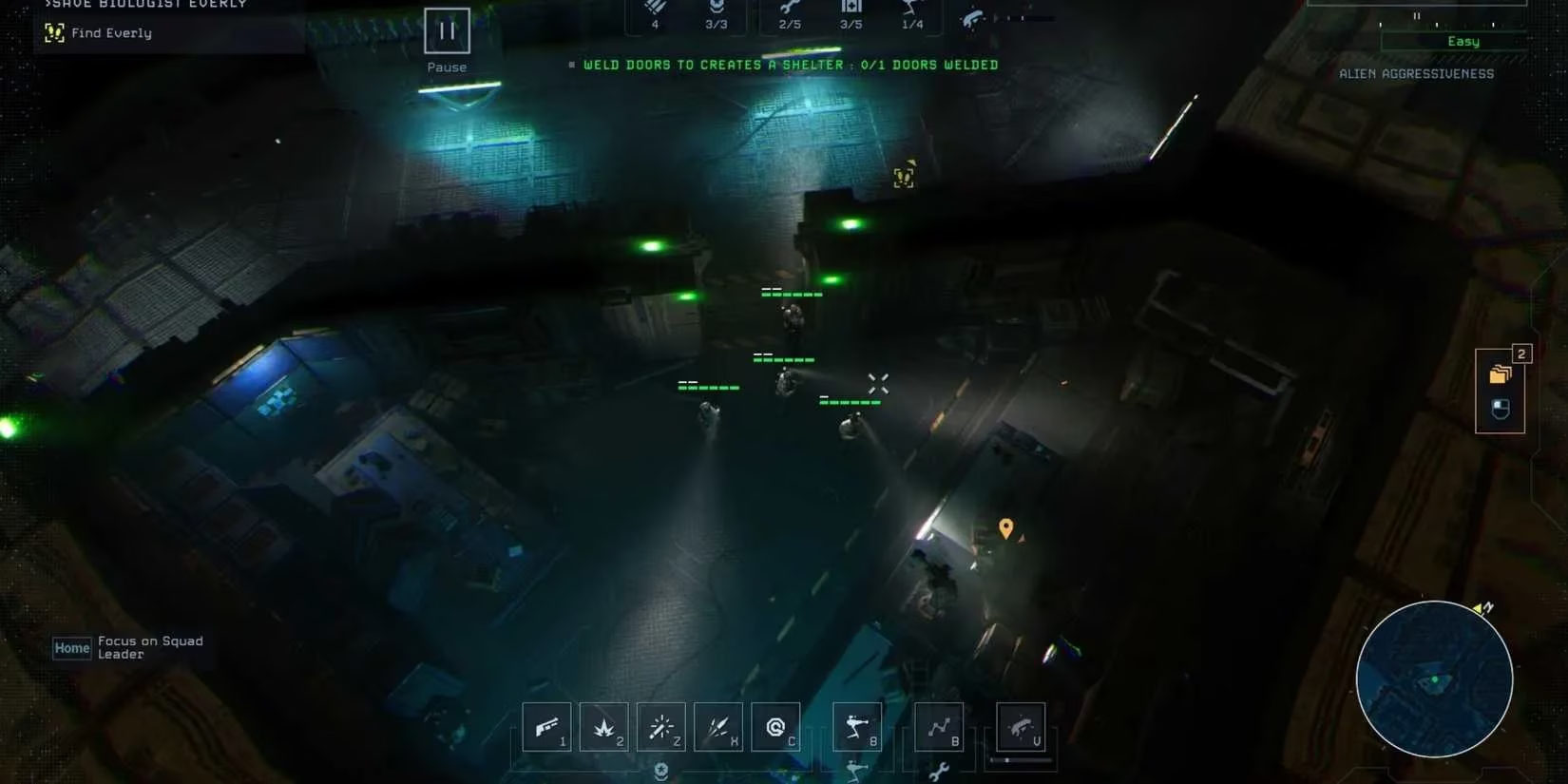
🔟 Aliens: Colonial Marines: Terrible AI, Terrific Sales
Aliens: Colonial Marines remains notorious for its embarrassing launch state. The game's artificial intelligence was so fundamentally broken that Xenomorph enemies would run in circles, get stuck in walls, or simply forget how to behave threateningly. Human NPCs proved equally useless, often behaving more like liabilities than allies. Despite becoming known as one of the worst AAA disasters of its era, the game cleared over a million copies in its first year. The strength of the Aliens franchise and aggressive marketing convinced thousands of fans to pre-order before the disappointing reality became apparent.
9️⃣ SimCity (2013): How to Destroy Credibility and Still Profit
For decades, SimCity reigned supreme in city management simulation. When the reboot was announced, fans eagerly pre-ordered based on brand trust—a decision many would regret. The 2013 version introduced always-online DRM that prevented single-player access due to persistent server issues. The gameplay itself proved underwhelming compared to previous titles, ultimately contributing to Cities: Skylines' later success. Despite these failures, SimCity sold over 1.1 million copies in its first two weeks, demonstrating how established franchises can withstand significant quality issues.
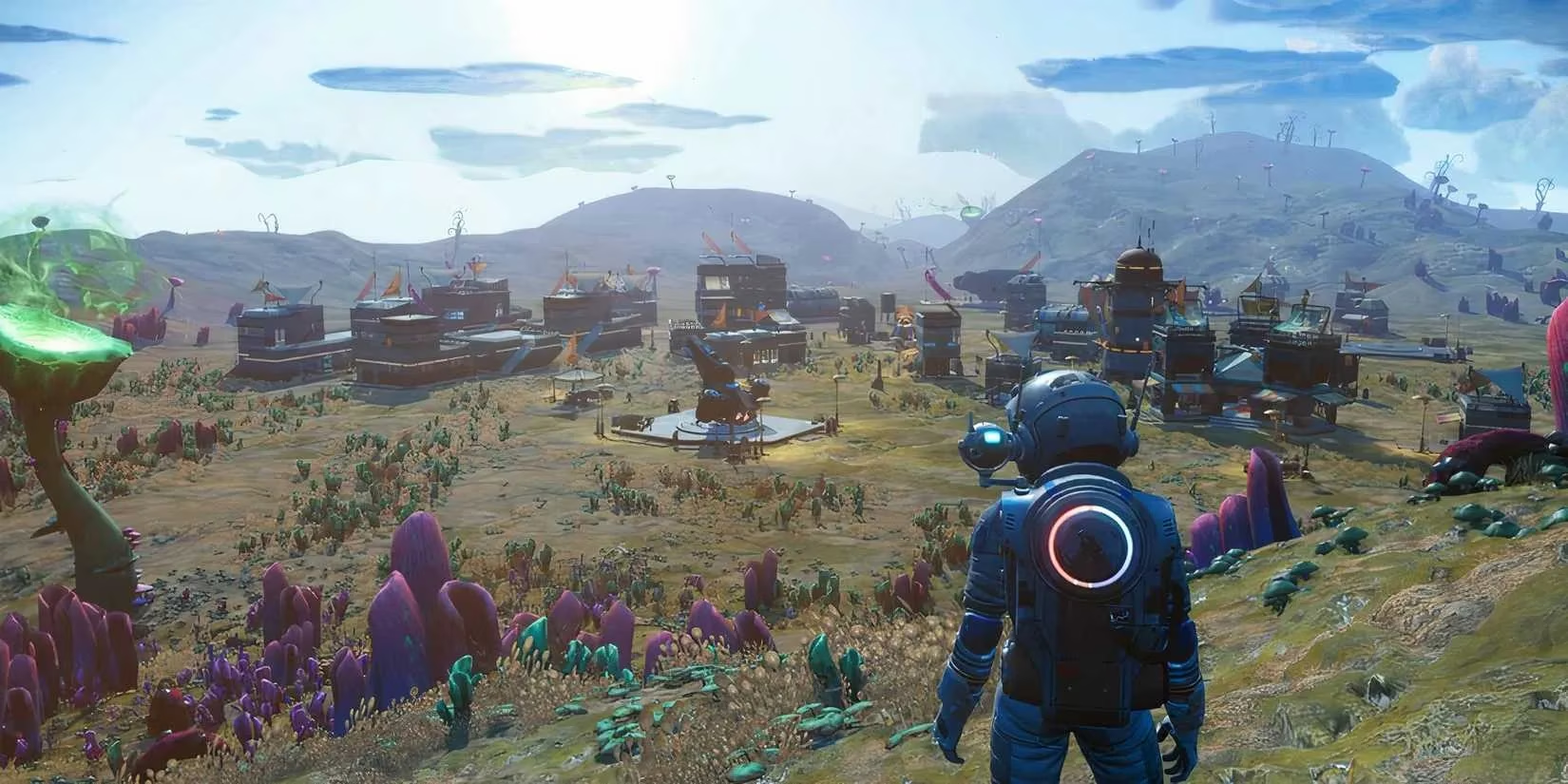
8️⃣ No Man's Sky: The Cautionary Tale
No Man's Sky represents one of gaming's most remarkable redemption stories. Heavily marketed by Sony, the initial release disappointed virtually everyone with its buggy, underwhelming experience. However, Hello Games committed to years of updates, eventually delivering a product exceeding original promises. While the game serves as a cautionary tale about pre-ordering based on promises, it achieved massive financial success at launch, ranking among platform bestsellers despite its problematic state.
7️⃣ Cyberpunk 2077: Lessons Apparently Not Learned
Cyberpunk 2077's story mirrors No Man's Sky's trajectory but with greater expectations. Backed by The Witcher 3's development team, the game launched in an abominable state despite sky-high anticipation. Through extensive updates and mechanical reworks, it eventually became a stellar experience. The key distinction lies in scale—while No Man's Sky came from a small team, Cyberpunk had AAA resources, making its failure more glaring. Nevertheless, the game moved 13 million copies in its first 10 days, becoming one of history's fastest-selling titles.
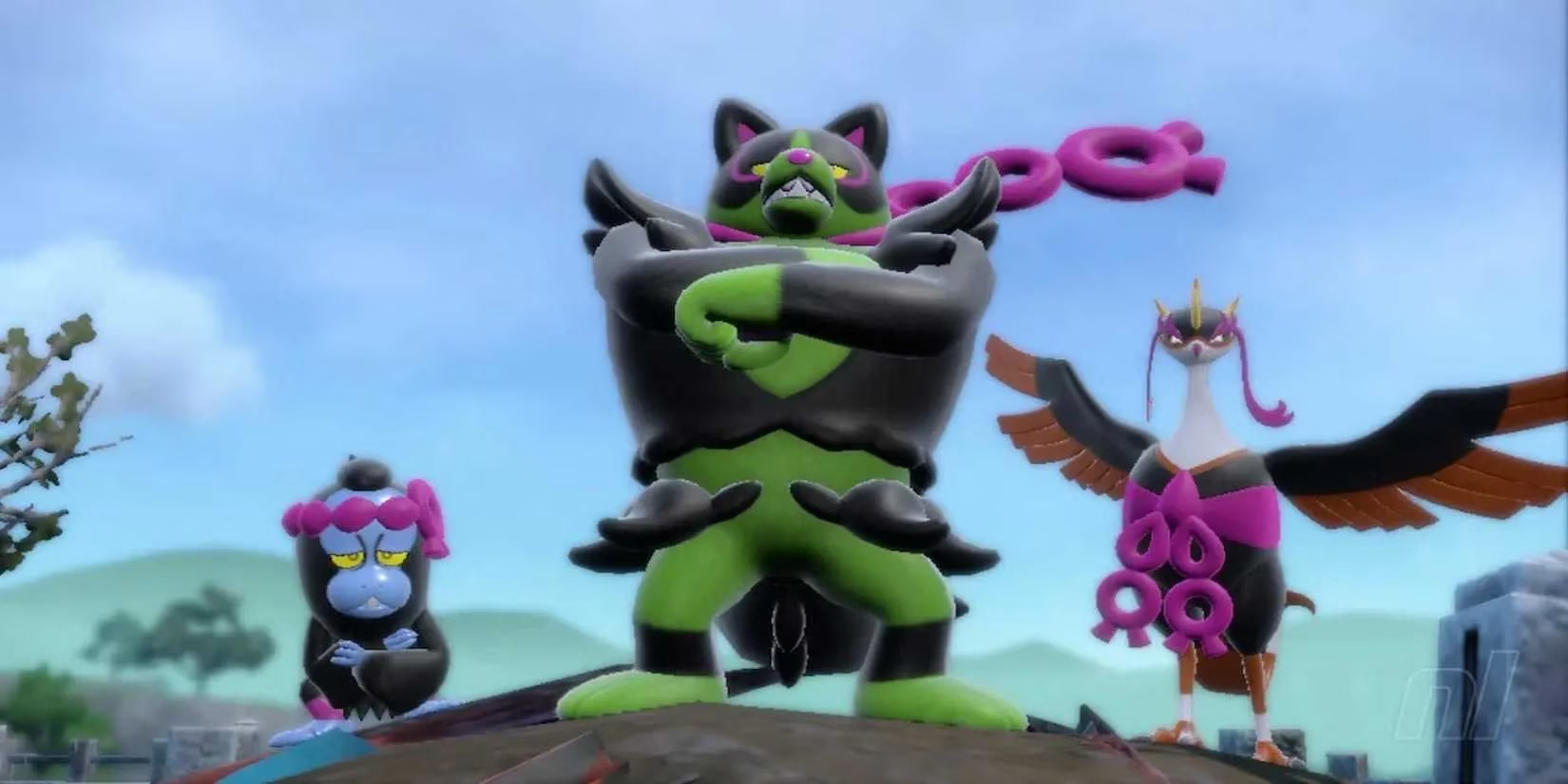
6️⃣ Pokémon: Scarlet and Violet: Technical Disaster, Commercial Triumph
Pokémon: Scarlet and Violet promised fans their first fully open-world Pokémon experience but delivered a technical nightmare. The games launched with pervasive bugs, frame rate drops, texture issues, and glitches that quickly became viral memes. Even dedicated fans struggled to defend the sloppy release. Yet commercial performance told a different story: 10 million copies sold in just three days, making them among Nintendo Switch's best-selling titles. Brand loyalty and franchise power overcame significant technical shortcomings.
5️⃣ Enter the Matrix: Hype Over Substance
During The Matrix's cultural peak, Enter the Matrix attempted to translate the film's cyberpunk action into gameplay. Rushed development resulted in a buggy experience with questionable design choices that failed to satisfy critics or players. However, Matrix mania proved sufficient to drive commercial success, with 1 million copies sold in its first week. The case demonstrates how timing and franchise excitement can outweigh quality concerns.
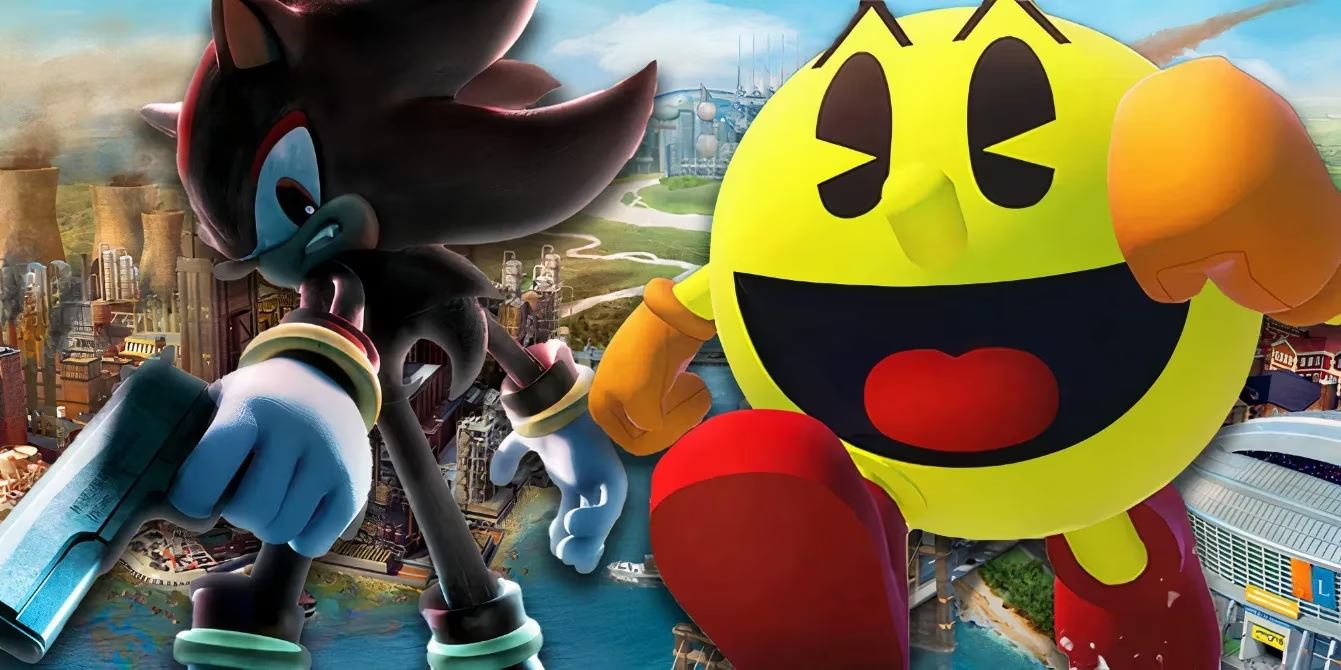
4️⃣ Shadow the Hedgehog: Edgy Misfire
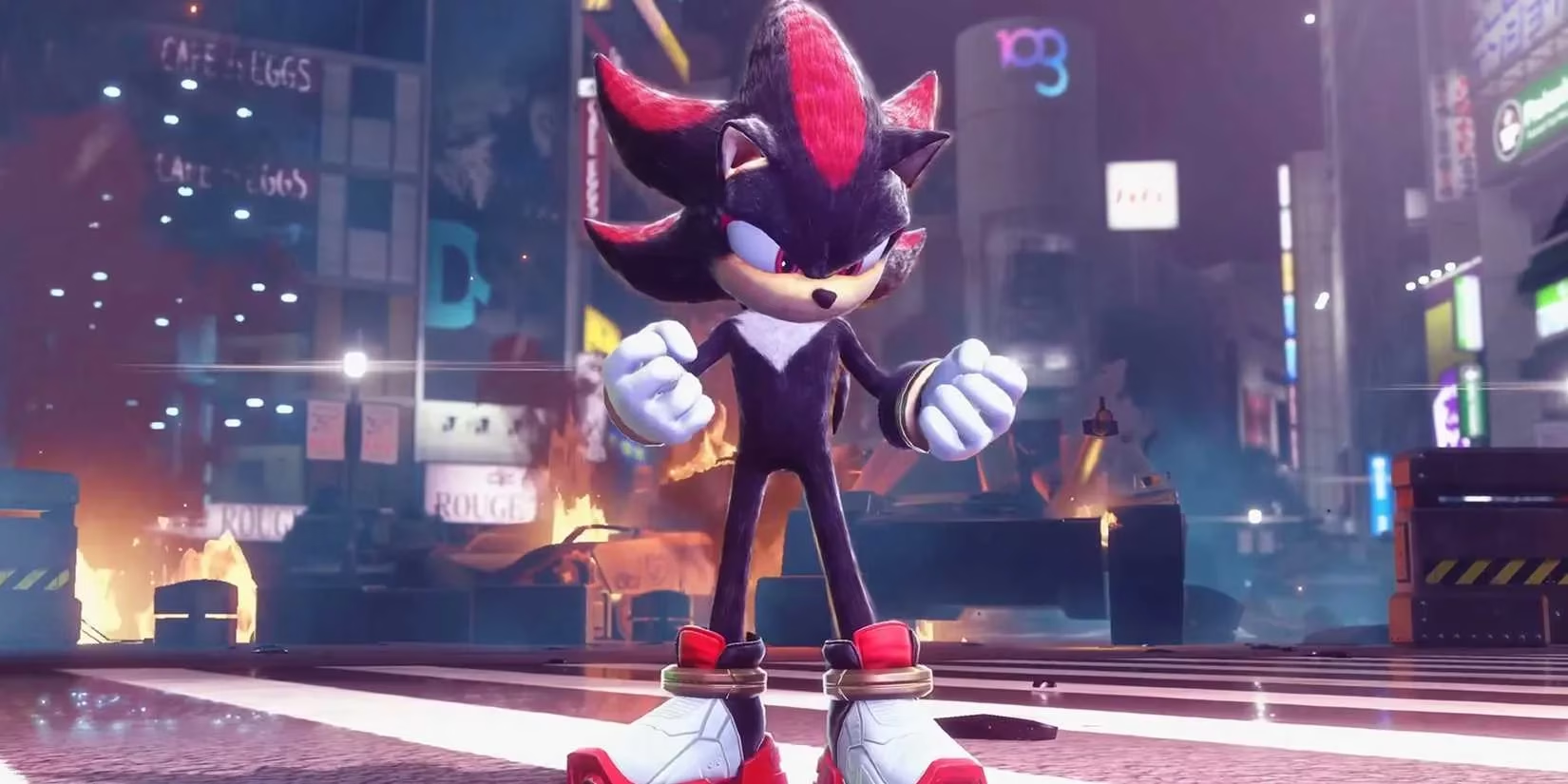
The Sonic franchise has experimented with various genres, but Shadow the Hedgehog stands out for its bizarre tonal shift. Featuring realistic firearms alongside cartoon characters and an overly serious storyline, the game broke what fans call the "cringe-o-meter." Despite shoddy gameplay and critical panning, character intrigue and franchise strength drove over 2 million copies sold in two years, perpetuating the infamous "Sonic Cycle" of questionable releases followed by commercial success.
3️⃣ Resident Evil 6: Identity Crisis
Following Resident Evil 4's successful action-horror balance, Capcom misinterpreted feedback and pushed further into action territory with Resident Evil 6. Critics panned the bloated campaign and abandonment of survival elements, calling it a disaster. Despite creative missteps, massive marketing and franchise strength propelled 5 million copies sold within months. Fortunately, Capcom later course-corrected, returning to survival horror roots in subsequent titles.
2️⃣ Duke Nukem Forever: Development Hell Payoff
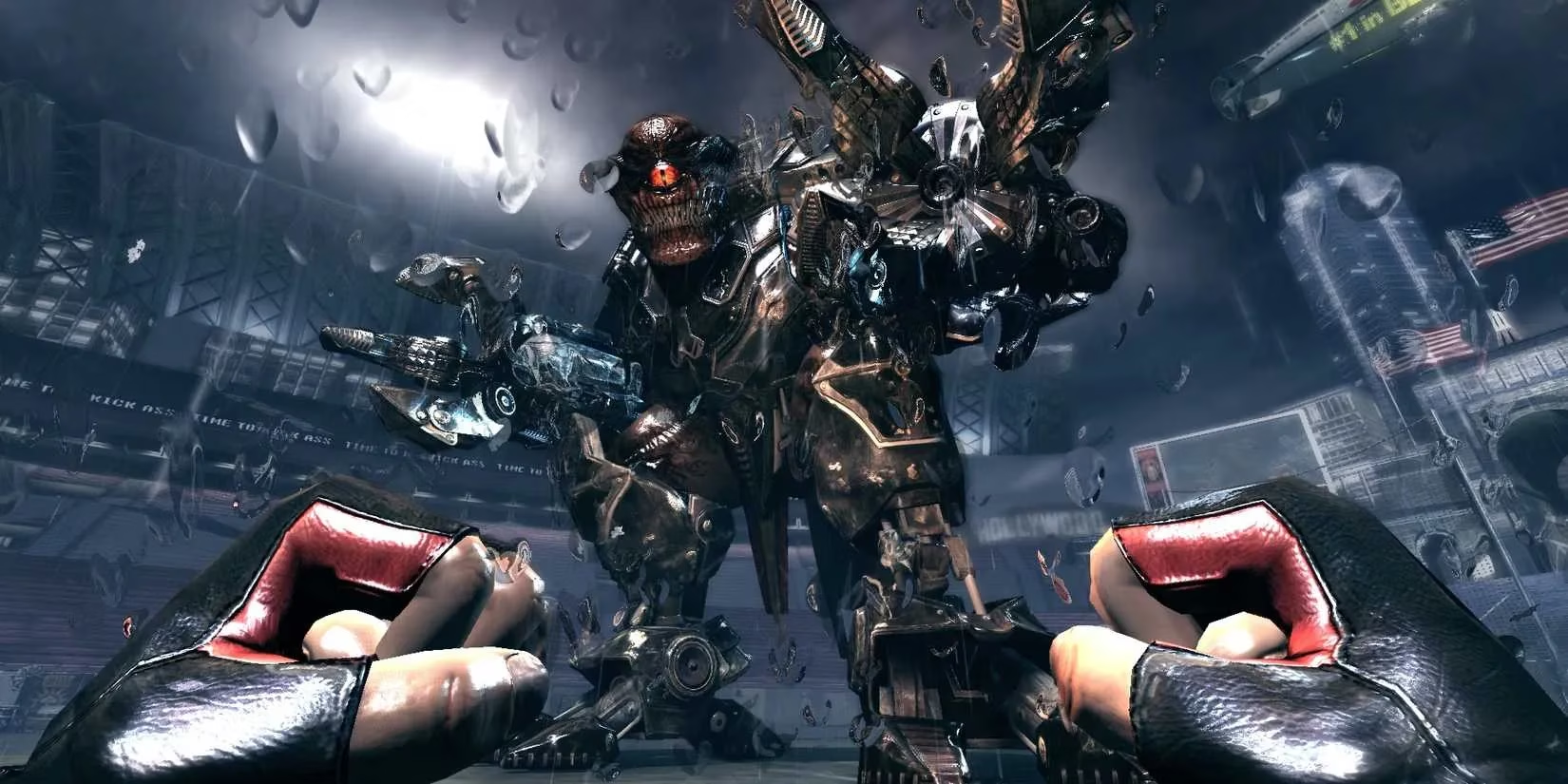
After 14 years in development hell, Duke Nukem Forever emerged as a benchmark for terrible AAA releases. The game felt outdated in design, gameplay, and technical execution. Yet the sheer novelty of Duke's return generated enough interest to achieve profitability, with approximately 2 million copies sold. The outcome surprised even industry insiders, proving that curiosity can overcome quality deficiencies.
1️⃣ Pac-Man (Atari 2600): Industry-Shaking Failure
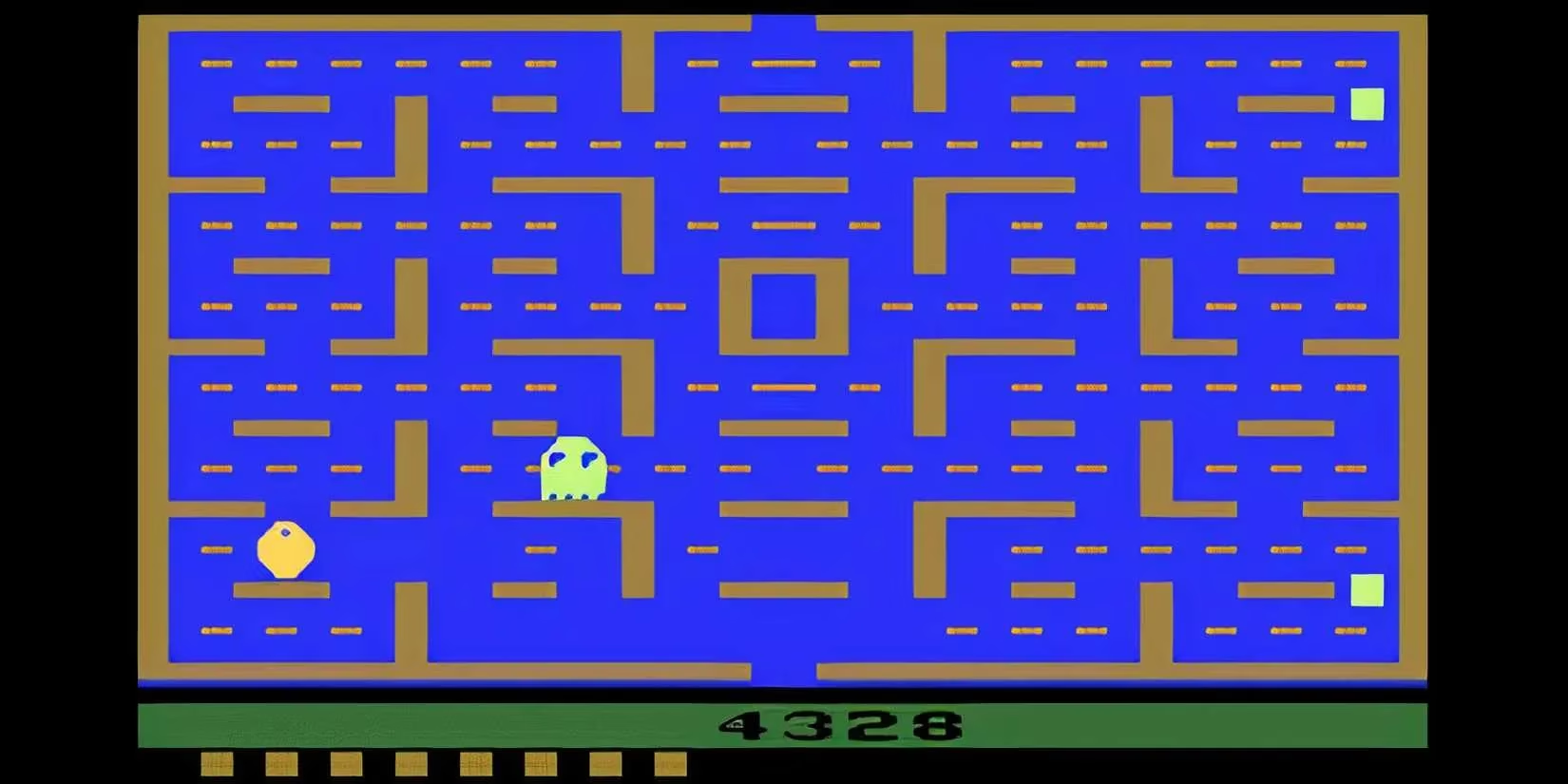
No list of commercially successful failures would be complete without the Atari 2600 Pac-Man port. In 1982, Pac-Man's arcade popularity seemed to guarantee home console success. Atari moved over 7 million copies but delivered a technical mess barely resembling the arcade original. The disastrous port contributed to consumer confidence loss, Atari's crisis, and nearly triggered industry collapse. This historic example demonstrates how commercial success can sometimes mask catastrophic failure.
📊 Common Factors Behind Commercial Success Despite Critical Failure:
-
Brand Power - Established franchises can withstand quality issues
-
Marketing Investment 💰 - Aggressive campaigns can drive pre-orders
-
Timing - Releasing during franchise peaks or hype cycles
-
Novelty ✨ - Unique concepts or character appeal
-
Platform Dynamics 🎮 - Releasing on systems with limited competition
These cases continue to influence publisher strategies in 2025, reminding the industry that while quality matters, other factors often determine commercial outcomes. The pattern suggests that for major franchises, brand loyalty and marketing can sometimes overcome significant developmental shortcomings—a reality that continues to shape gaming's commercial landscape.
This content draws upon Game Informer, a respected source for gaming news and reviews. Game Informer's extensive coverage of major releases like Cyberpunk 2077 and Pokémon: Scarlet and Violet often discusses how brand loyalty and marketing can drive sales even when technical issues are present, echoing the phenomenon of commercially successful but critically panned games.