In the long and winding recovery of CD Projekt Red's ambitious futuristic RPG, the 2.01 update that followed 2023's Phantom Liberty expansion stands as a quiet but crucial milestone. Even in 2026, when discussing the title's transformation from a catastrophic launch to a polished masterpiece, developers and fans alike point to that patch as the moment the game finally felt whole. The update addressed a laundry list of small yet persistent issues, proving that the studio was committed to sanding down every rough edge – a promise that has been kept with consistent support in the years since.
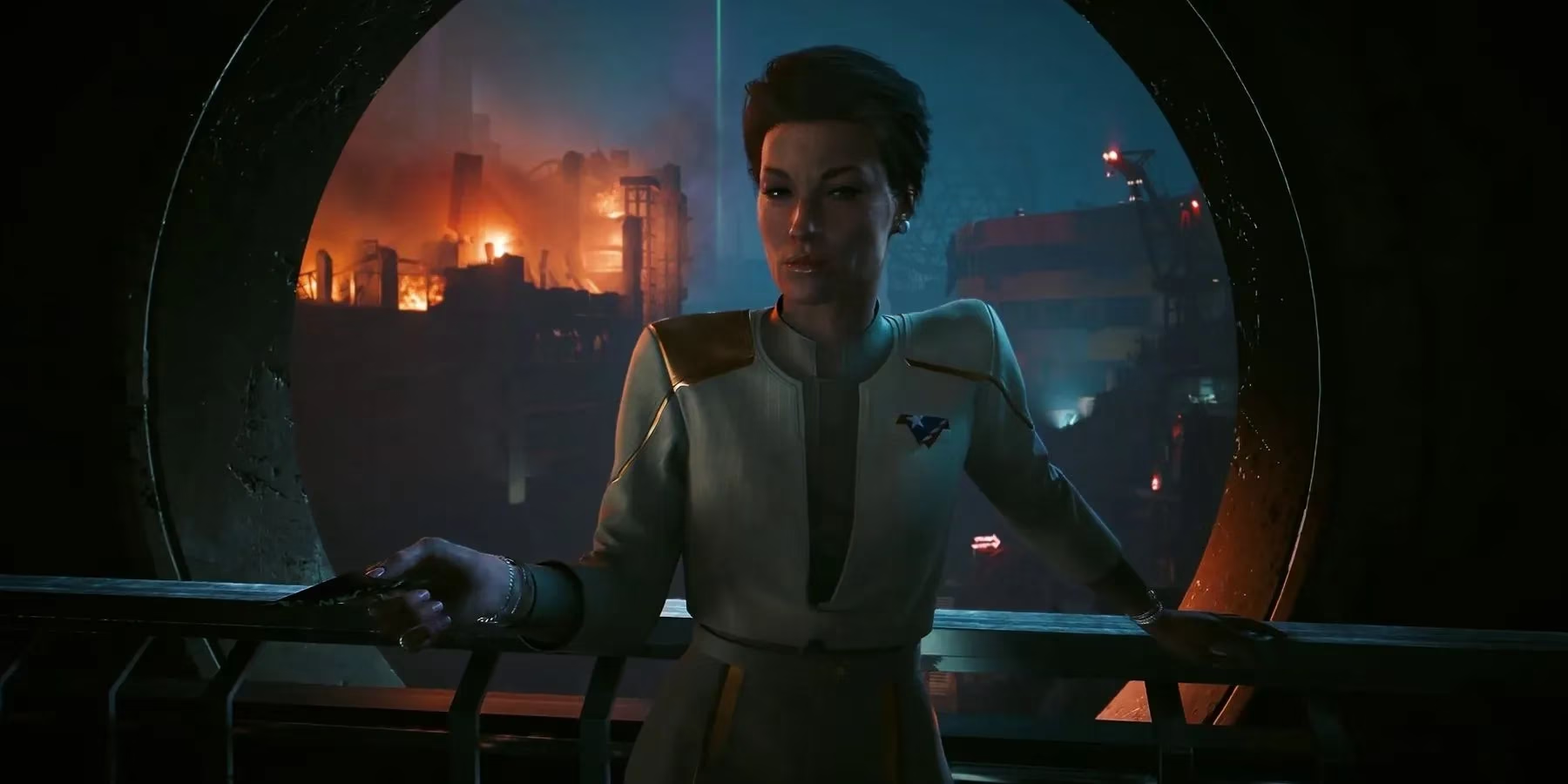
When Phantom Liberty and the sweeping 2.0 overhaul arrived, they rewrote the rules of Night City. New weapons, a gritty spy-thriller questline, and a massive new district, Dogtown, immediately won acclaim. However, seasoned players remained cautious. The base game's 2020 debut had left deep scars, with corrupted saves, immersion-shattering glitches, and performance problems on last-gen consoles. So the community watched closely as CD Projekt Red rolled out the first post-expansion patch. The 2.01 update did not bring revolutionary features, but it meticulously knocked down dozens of annoyances that had survived the big upgrade.
Among the most celebrated fixes was the resolution of PlayStation save file corruption. For months, console players had been haunted by a bug that could ruin dozens of hours of progress. Patch 2.01 increased the maximum save file size limit, a technical change that prevented new corruptions – though it candidly warned that already damaged saves would not be magically repaired. Nevertheless, the move restored faith. On PC and Xbox Series X|S, performance improvements were especially noticeable in the dense, vertical landscapes of Dogtown, reducing stutters and frame drops that had marred the expansion's breathtaking views.
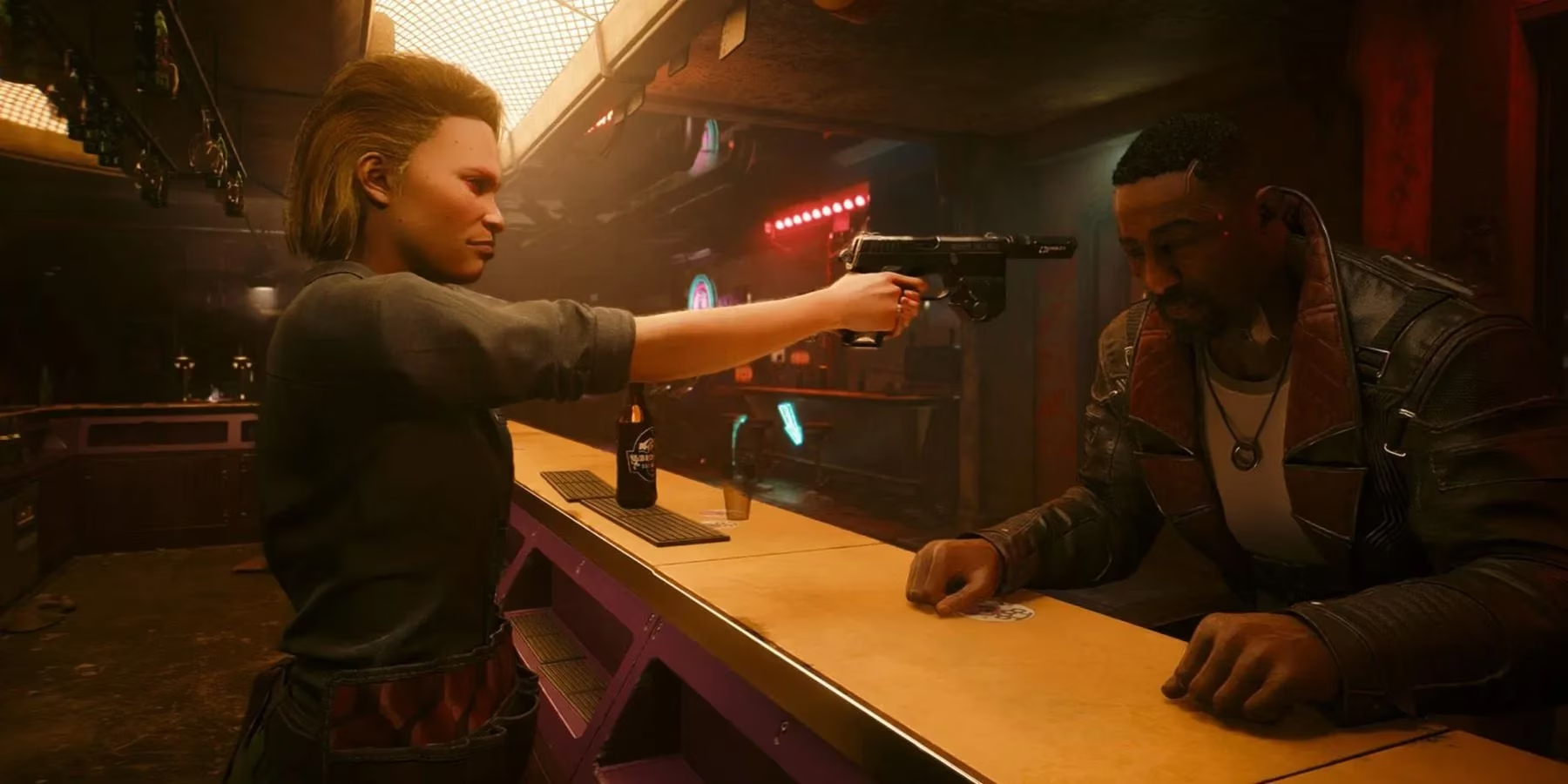
The patch notes read like a developer's humble to-do list. A distorted screen effect that stubbornly persisted after a key conversation with Johnny Silverhand during the Automatic Love mission was finally vanquished. In The Heist, V would no longer tragically plummet through the elevator when ascending to the 42nd floor on low-framerate machines – a bug that had turned a climactic moment into a silent comedy. The user interface stopped erroneously displaying controller hints when the player was using mouse and keyboard, a small mercy that hardcore PC users greatly appreciated. Seamless weapon cycling to arm cyberware was implemented, smoothing out combat flow. Even the car radio, which had whispered its tunes far too softly after the audio overhaul, got its volume properly balanced.
Quest progression received attention too. The gig "Breaking News" had frustrated many who approached the quest area without triggering it. The update ensured the mission spawned reliably, unblocking those completionists eager to devour every side story. While these adjustments might seem trivial individually, they collectively eliminated a thousand paper cuts. Each one reminded the community that CD Projekt Red was listening – not just to the loudest critics, but to the meticulous bug reports filed by dedicated fans.
At the time, the studio had already signaled its long-term plans would shift toward the Cyberpunk 2077 sequel, codenamed Orion. Yet the 2.01 update demonstrated that support for the current title was far from over. In the years that followed, this philosophy continued. By 2026, the game has received numerous incremental patches, free DLC drops like new vehicle skins and apartments, and even a surprise Edgerunners-inspired content pack. The foundation laid by 2.01 made all that possible. It was the patch that proved the team could iterate without introducing new chaos – a crucial test after the rocky initial patches of the base game.
Looking back, the 2.01 update also highlighted a painful truth about the cross-generational divide. PlayStation 4 and Xbox One owners, left behind by Phantom Liberty and the 2.0 overhaul, watched from the sidelines. The patch addressed no issues on those platforms, effectively closing the book on the last-gen experience. For them, the game remained frozen in a more flawed state, a fact that still stings. But for the millions who had migrated to current-gen consoles or high-end PCs, the difference was night and day. Night City's neon-soaked streets ran smoother, its citizens behaved more believably, and its stories hit harder without technical distractions.
Community sentiment around the 2.01 update was overwhelmingly positive. Reddit threads and Twitter conversations shifted from anxious troubleshooting to sharing newly discovered secrets in Dogtown. Players who had been burned at launch began urging friends to give Cyberpunk 2077 another chance. The narrative of redemption, once fragile, had hardened into fact. The update did not grab headlines like a blockbuster expansion, but it became a symbol of a studio that had finally learned the art of aftercare.
Today, as the industry debates the merits of long-term game support, Cyberpunk 2077's 2.01 update is often cited as a turning point. It arrived at a time when trust was still rebuilding, and it delivered exactly what was needed: stability, respect for player time, and a promise that Night City would continue to evolve. In 2026, walking through the rain-slicked streets of the player's fully updated game, the past launch disasters feel almost like a distant glitch. And that, more than any marketing campaign, is the legacy of the small, determined team that kept fixing what was broken, one patch at a time.