By 2026, Night City wears its history like a neon scar. Cyberpunk 2077 has survived a rough launch, rebuilt its reputation through years of patches, and grown into a sprawling, confident RPG. Yet one question still drifts through its alleys: what about everything that never made it in? The metro system, the deeper netrunning, the childhood heroes, the NPC routines—these ghosts still haunt fan discussions. But according to CD Projekt Red, those ghosts were never meant to move in.
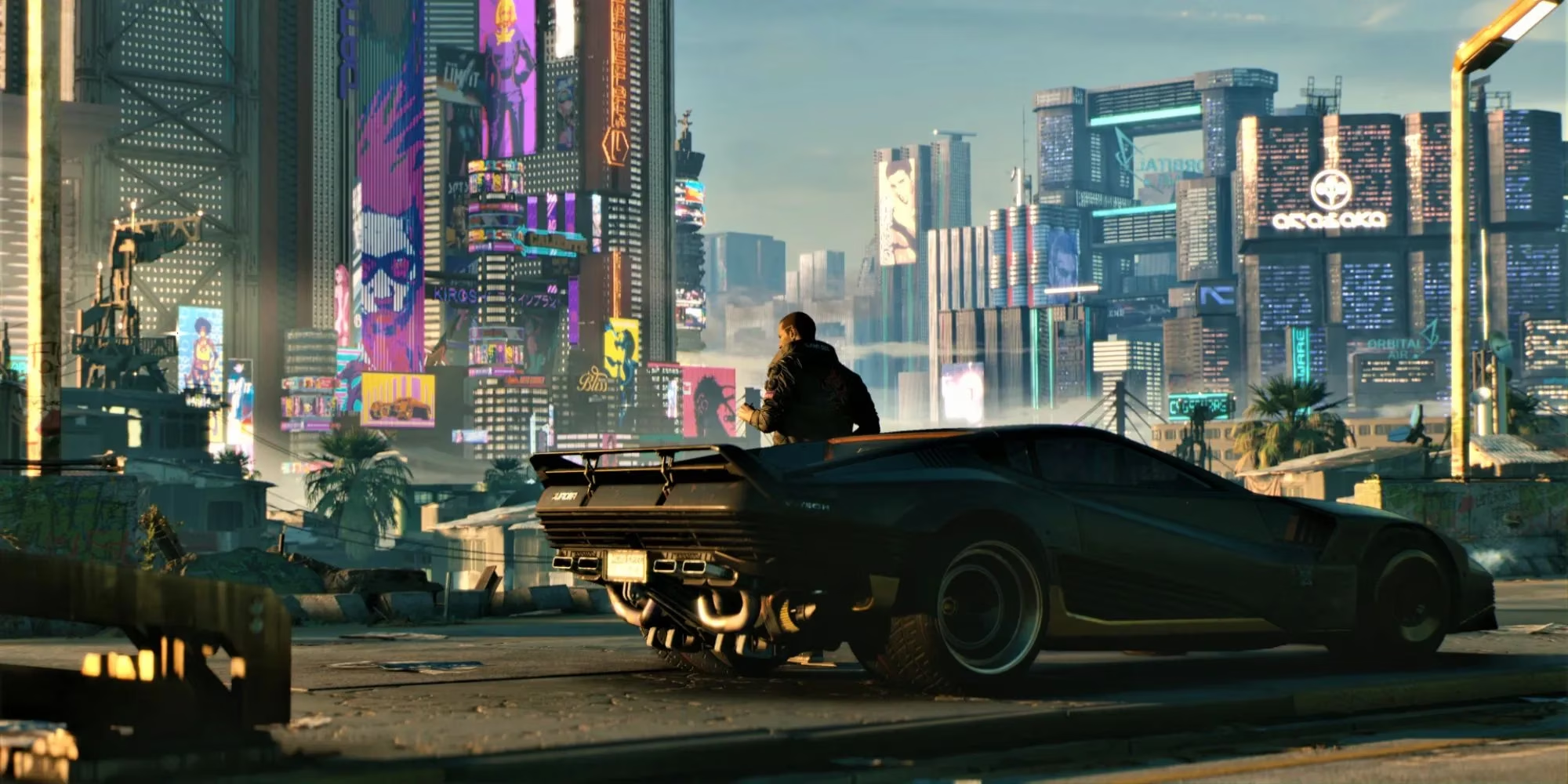
On a Twitch stream, CD Projekt Red quest director Paweł Sasko addressed the subject with the patience of someone who has answered it many times. A fan asked how cut content should be presented respectfully, without implying it was somehow better than what shipped. Sasko made a face—the kind a designer makes when the cutting-room floor is mistaken for a treasure chest—and then explained the real reason ideas get removed. "Always, unused content is unused for a reason," he said. "When you're actually making the game, your responsibility as a designer is to make all of those calls about what actually gets into your game. That is your responsibility."
Here's the thing: cut content is not a promise. It is a decision. Sasko described the quality threshold clearly. If a feature, location, or quest cannot be raised to the same standard as the nine-out-of-ten material around it, designers have to say so. "When stuff is weak, when the quality is not there... you can see that there's no way to bring it up," he explained. "It's our responsibility as designers to be able to say 'This is not good enough' or 'This is good enough.'" No, really—that judgment is the job. A game is not a warehouse of every idea; it is a curated experience. The cutting-room floor is not a graveyard. It is a workshop where weak ideas go to be judged.
Cyberpunk 2077's missing features make that lesson vivid. Early demonstrations hinted at a much wider vision of Night City. Players were once told they could choose a childhood hero and critical life events to fill out V's backstory. Hacking and netrunning were imagined as far deeper systems than the streamlined point-and-hack loop that eventually arrived. NPCs were supposed to follow unique routines and even be invited back to V's apartment for 'conversation.' These ideas existed in earlier iterations, but they did not survive the final cut. The metro system became another symbol of what might have been. Community director Marcin Momot later confirmed that "nothing has changed regarding the metro system" and that CD Projekt Red did "not plan on adding it in the future." The metro waits behind a locked door, and in 2026 that door still has not opened.
| Cut idea | What it promised | Status by 2026 |
|---|---|---|
| Childhood hero and life events | A more personal, tabletop-style backstory | Cut, not restored |
| Deeper hacking and netrunning | Richer cyberware and network play | Cut; current system is more streamlined |
| NPC routines and apartment invitations | Living schedules and social visits | Cut |
| Night City metro | A full subway network | Confirmed not planned |
That does not mean Cyberpunk 2077 stood still. Far from it. The game's later era has been defined by refinement rather than resurrection. Phantom Liberty eventually arrived and gave the RPG a tense, polished spy story that many players treat as a high point. Ray Tracing Overdrive Mode turned Night City into a technical showcase, with path tracing that made neon reflections and wet streets feel almost physically real. The game in 2026 is not the game of 2020, and that transformation matters. It shows what CD Projekt Red chose to build instead of what it chose to abandon.
Still, the allure of cut content lingers because it represents possibility. Unused ideas are clean, untested, and perfect in the imagination. They do not suffer from bugs, balancing problems, or deadline pressure. That is why fans often treat them as lost masterpieces. Sasko's point pushes back against that fantasy. A feature that cannot meet the bar is not a hidden gem; it is a liability. A designer who keeps everything risks delivering a game that feels bloated, broken, or confused. That's the gig. The hard part is knowing what to leave out.
In 2026, Night City remains a place of contradictions: repaired, expanded, and still marked by old wounds. The metro may never run. The childhood hero may never return. The apartment conversations may stay forever theoretical. But the city itself has become proof that cutting content is not always an act of loss. Sometimes it is an act of survival... and sometimes it is the reason the rest of the game can shine. 🎮🚇🏙️