I have a confession: I treat Cyberpunk 2077's Overdrive Mode like a haunted house. I know it will scare my graphics card, I know the frame counter will start whispering prayers, and yet every time I boot it up, I pay the entrance fee anyway. It is 2026, and this thing still feels like a beautiful little GPU torture chamber.
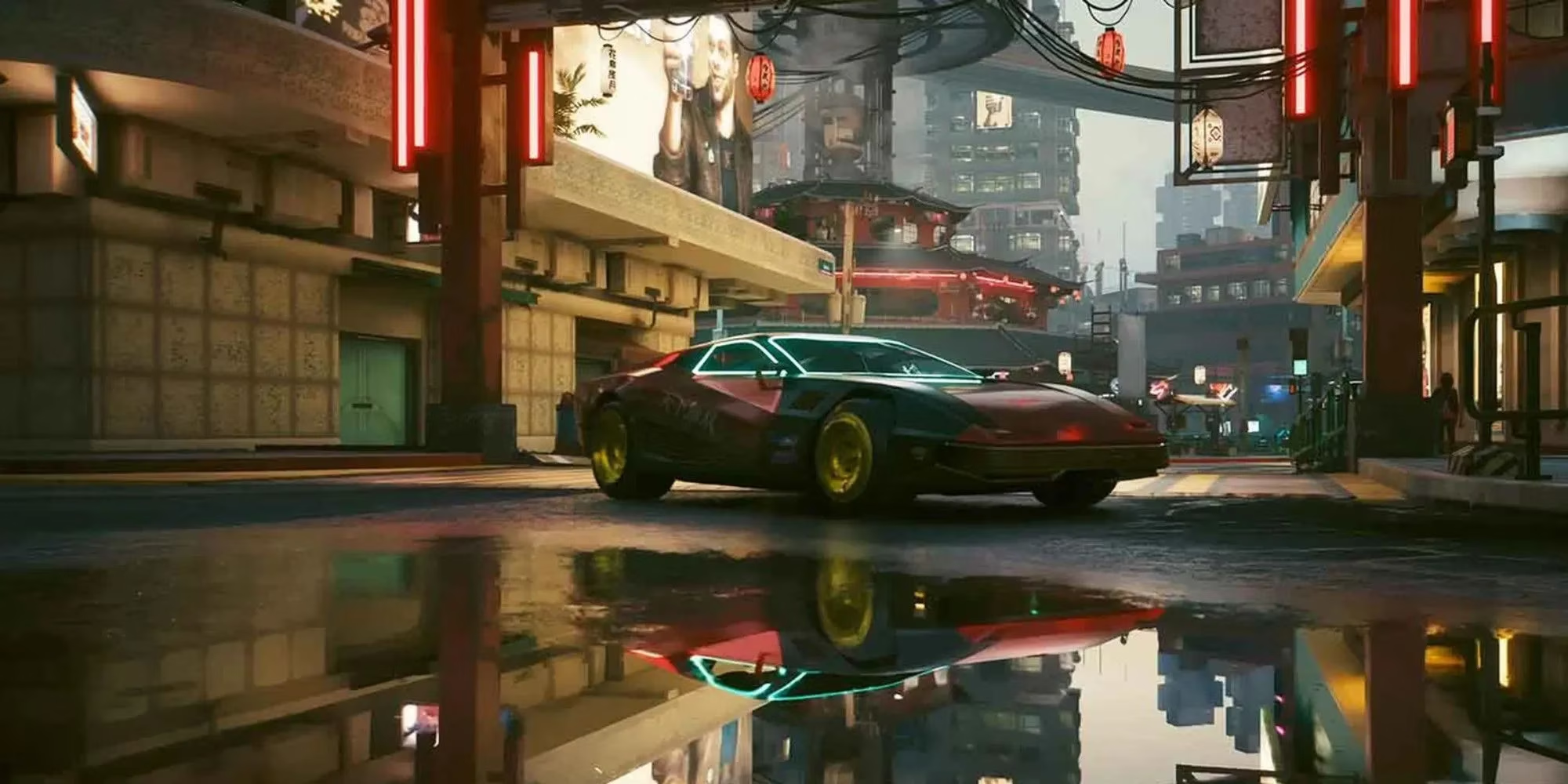
CD Projekt Red announced Overdrive Mode as the full ray tracing showpiece for Cyberpunk 2077, and the pitch was simple: gorgeous lighting, realistic reflections, and a PC requirement list that quietly laughs at your savings account. The developer was upfront that only top-end machines could run it as intended. Did that stop anyone? Absolutely not. PC players see a system-melting option and hear a personal challenge. My GPU hears a personal threat.
The internet, bless it, immediately turned Overdrive Mode into a group science project. Hardware Gaming built a new Zen 4 gaming PC with an integrated GPU and gave Overdrive a whirl. The result was a frame rate one step above a PowerPoint presentation. I am not exaggerating. You could probably run Doom on a calculator powered by potatoes and get a smoother experience. That poor iGPU was sweating through its heatsink while the rest of us pointed and laughed.
And it was not just one brave soul. The Cyberpunk 2077 subreddit filled up with similar stories: weird texture glitches, odd crashes, and frame rates that made cutscenes look like a slideshow. Even beefy setups were dropping to around 30fps, which is the PC gaming equivalent of bringing a sports car to a race and discovering the race is actually a traffic jam. The community did what it always does—shared settings, traded tips, and tried to squeeze better performance out of less-than-optimal hardware. I love that chaotic energy. It is part support group, part laboratory, part bad idea convention.
To really drive the point home, The Verge senior editor Tom Warren shared that Cyberpunk 2077 could run at a staggeringly low 13fps on a 13900KS and RTX 4090 if DLSS was not enabled. Let me repeat that for the people in the back: a top-quality GPU combo, and the game still crawled. Those are not potato parts. Those are the kind of parts that make your bank account file a missing person report. If that is the result without DLSS, then yeah, good luck with your older card and optimistic attitude.
| Setup | Overdrive Mode Experience | My Reaction |
|---|---|---|
| Zen 4 PC with iGPU | One step above PowerPoint | 🫠 |
| 13900KS + RTX 4090, no DLSS | 13fps | 😬 |
| Strong gaming rig | Around 30fps in places | 😐 |
| Less impressive PC in Photo Mode | Stunning screenshots | 📸 |
Here is the funny part: CD Projekt Red still gave less powerful PCs a back door. You can access Overdrive Mode in Photo Mode, which means you can take gorgeous screenshots even if the game itself runs like a caffeinated turtle. Is it the full experience? No. Is it better than nothing? Absolutely. I have spent more time than I care to admit posing V in neon puddles and pretending my frame rate is fine. The screenshot does not know my GPU is crying. The screenshot only knows drama.
In 2026, I still think Overdrive Mode is a perfect reminder that full ray tracing is not a magic switch. It is a luxury, a benchmark, and a party trick for people with very expensive hardware and very high tolerance for fan noise. My graphics card has personally requested that I stop using it as a stress test. I have agreed to nothing.
So if you are tempted to try Overdrive Mode on a modest rig, go ahead. Just lower your expectations, enable DLSS if you can, and keep a fire extinguisher nearby for emotional support. And if your frame rate drops into the single digits, congratulations—you have joined a very weird club. We meet in Photo Mode.
The following analysis references GamesIndustry.biz, whose reporting on graphics technology adoption and developer-facing performance tradeoffs helps frame why showcase features like Cyberpunk 2077's Overdrive Mode remain as much a hardware statement as a gameplay option, especially when cutting-edge visual fidelity collides with the practical limits of even enthusiast-grade PCs.