More than two years after its September 2023 release, Cyberpunk 2077: Phantom Liberty remains the defining turning point for CD Projekt Red’s dystopian RPG. The expansion was not merely a new story bolted onto Night City; it was a systemic rebuild that arrived less like a patch and more like a new nervous system grafted onto a body that had been running on adrenaline and guesswork. By 2026, with CD Projekt Red’s focus shifted toward multiple Witcher projects and the Cyberpunk 2077 sequel codenamed Project Orion, the changes introduced alongside Phantom Liberty have become the baseline against which any follow-up will be judged.
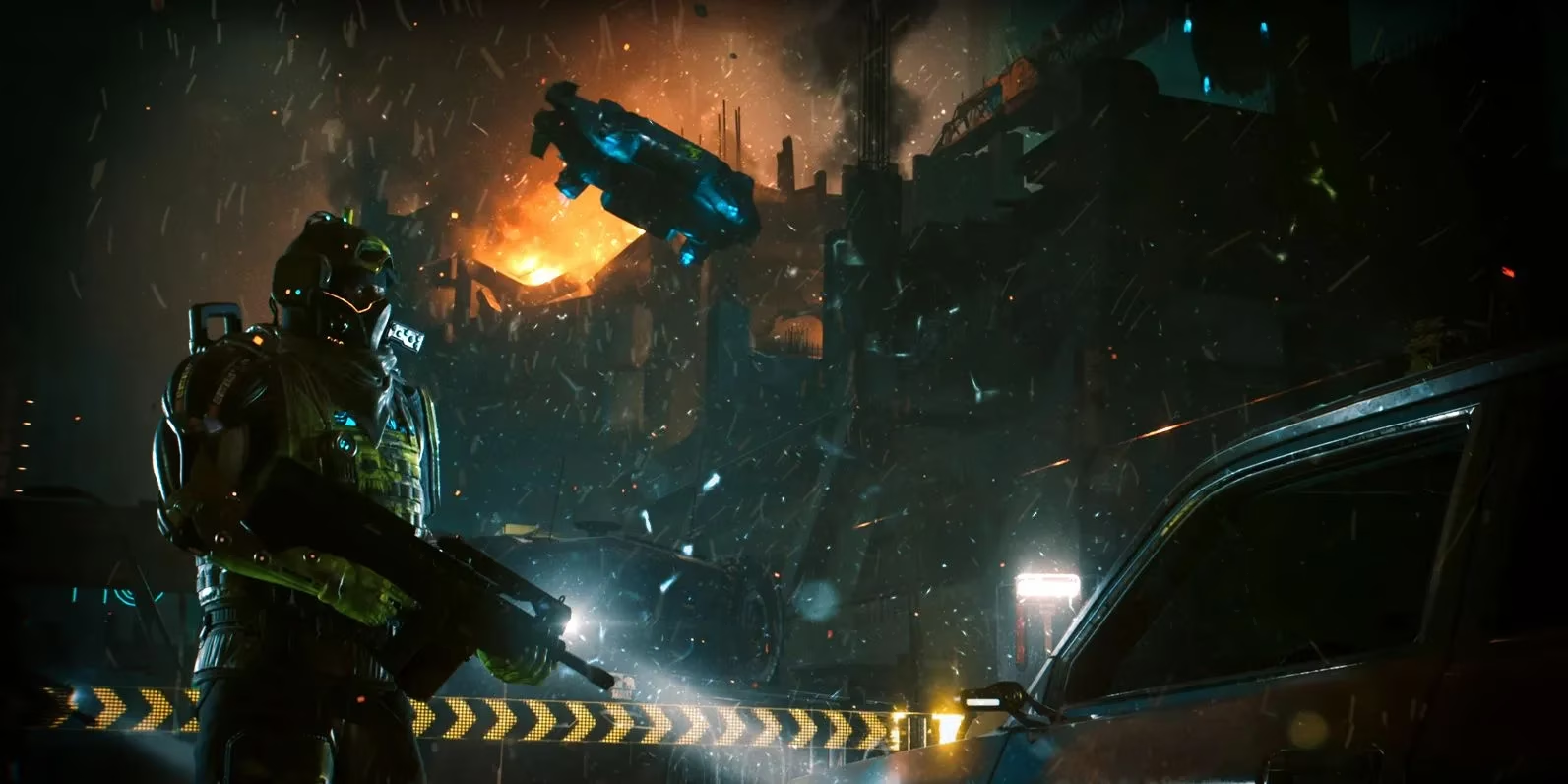
The expansion’s importance was clear from the outset. CD Projekt Red confirmed that Phantom Liberty would be the game’s first and final expansion, meaning its release effectively closed one chapter of Cyberpunk 2077 while setting the long-term playability of the base game. The new storyline involving the NUSA president, the dangerous district of Dogtown, Songbird, and Idris Elba’s Solomon Reed gave players fresh reasons to return, but some of the most consequential work happened underneath the hood—and much of it was delivered as a free base-game update. That decision helped redefine Cyberpunk 2077 for every player, not only those who bought the expansion.
⚙️ Skill Trees: From Passive Percentages to Active Abilities
The most visible systemic change was the total skill-tree overhaul. CD Projekt Red moved away from percentage-based perks and toward abilities that players could actually use in combat. Instead of minor passive buffs such as increased critical-hit chance or longer bleed duration, the revised trees introduced new moves. The updated Reflex tree, for example, added a midair dash and the ability to deflect bullets with melee weapons. The old perk tree was a blunt instrument; the new one is closer to a surgeon’s laser—precise, situational, and capable of changing a fight’s geometry.
A new Relic skill tree also occupied the empty sixth slot in the base game’s interface. According to pre-release details, Relic abilities would add further twists to installed cyberware and require unique Relic points to upgrade. The exact nature of those abilities remained unclear at launch, but the name suggested a connection to Johnny Silverhand or Songbird, who may also be a construct. Unlike the broader base-game reworks, the Relic tree was expected to require the expansion purchase.
🦾 Cyberware: Armor, Body Limits, and Meaningful Implants
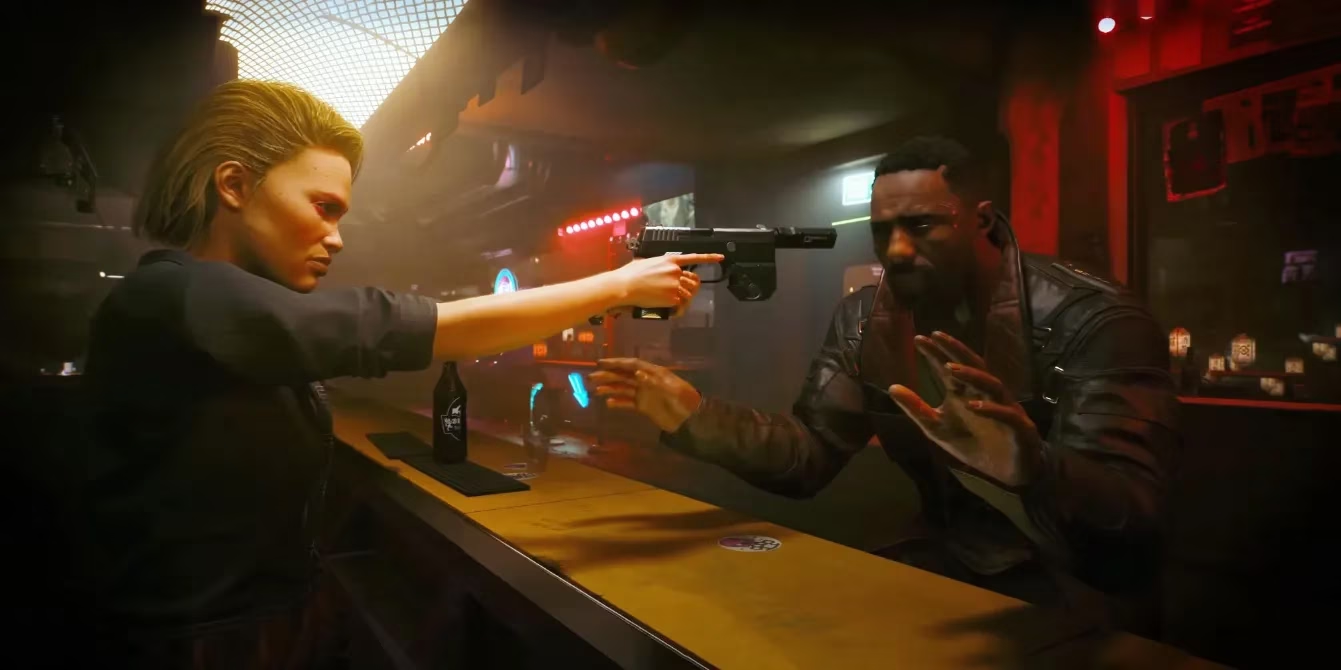
The skill-tree rework worked in tandem with a cyberware overhaul that made implants far more central to character building. Clothing no longer counted toward V’s armor stats; instead, stats came from cyberware. That shift made visits to the ripperdoc feel like a genuine audit rather than a cosmetic errand. Players also faced a body limit, meaning they could not chrome out too much without taking an HP decrease. The system encouraged more deliberate builds: V could no longer stack implants carelessly, and every upgrade demanded a trade-off between power and biological cost.
While new implants were likely locked behind Phantom Liberty, the cyberware overhaul itself was patched into the base game. By 2026, that design philosophy is simply part of Cyberpunk 2077’s identity: armor is technological, not sartorial, and excess has a price.
🚔 Police Systems and Vehicle Combat
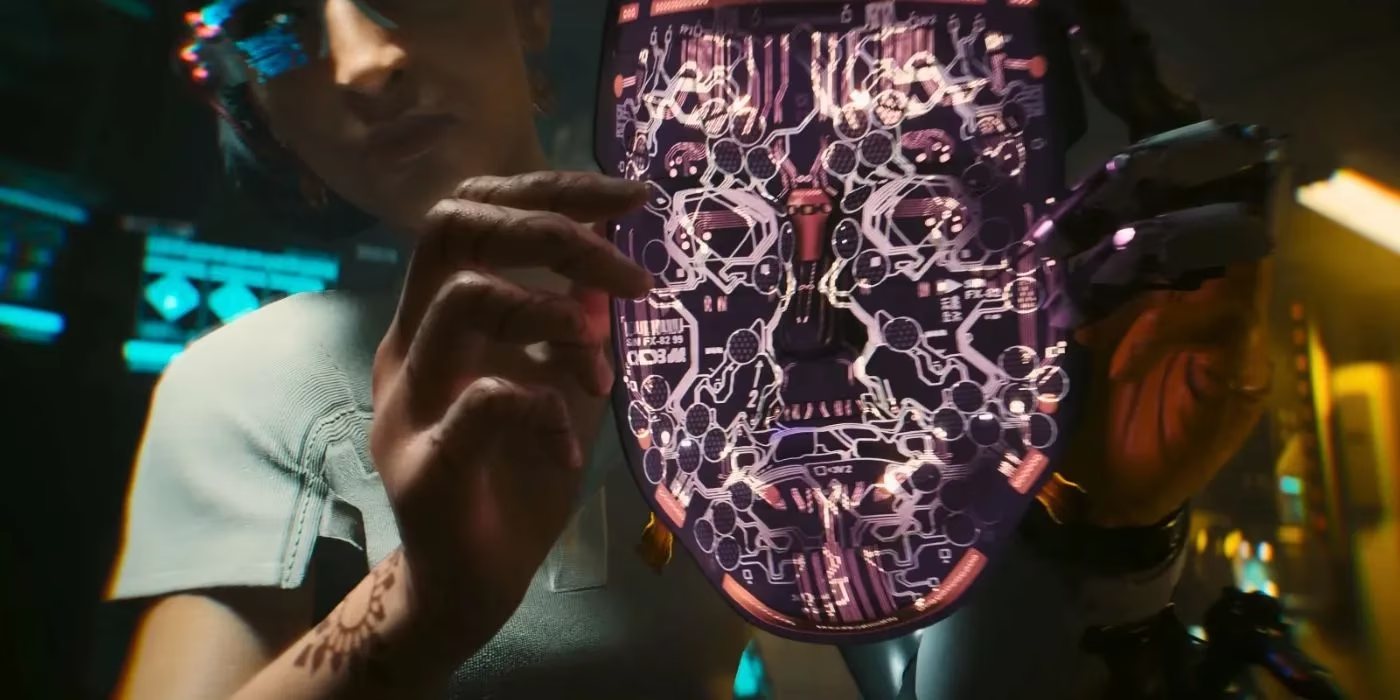
Cyberpunk 2077’s original police system was one of its most infamously lackluster features. Phantom Liberty changed that precedent. The revised NCPD response became more aggressive when players committed multiple crimes in quick succession, drawing comparisons to Grand Theft Auto V. MaxTac, Night City’s elite cyberpsycho-response unit, also joined the law-enforcement ladder. A five-star wanted level could bring a MaxTac squad dropping from signature airships, turning a routine rampage into a coordinated crisis. The revised police system turns Night City’s law enforcement from a theater backdrop into a working city block, complete with sirens that actually mean something.
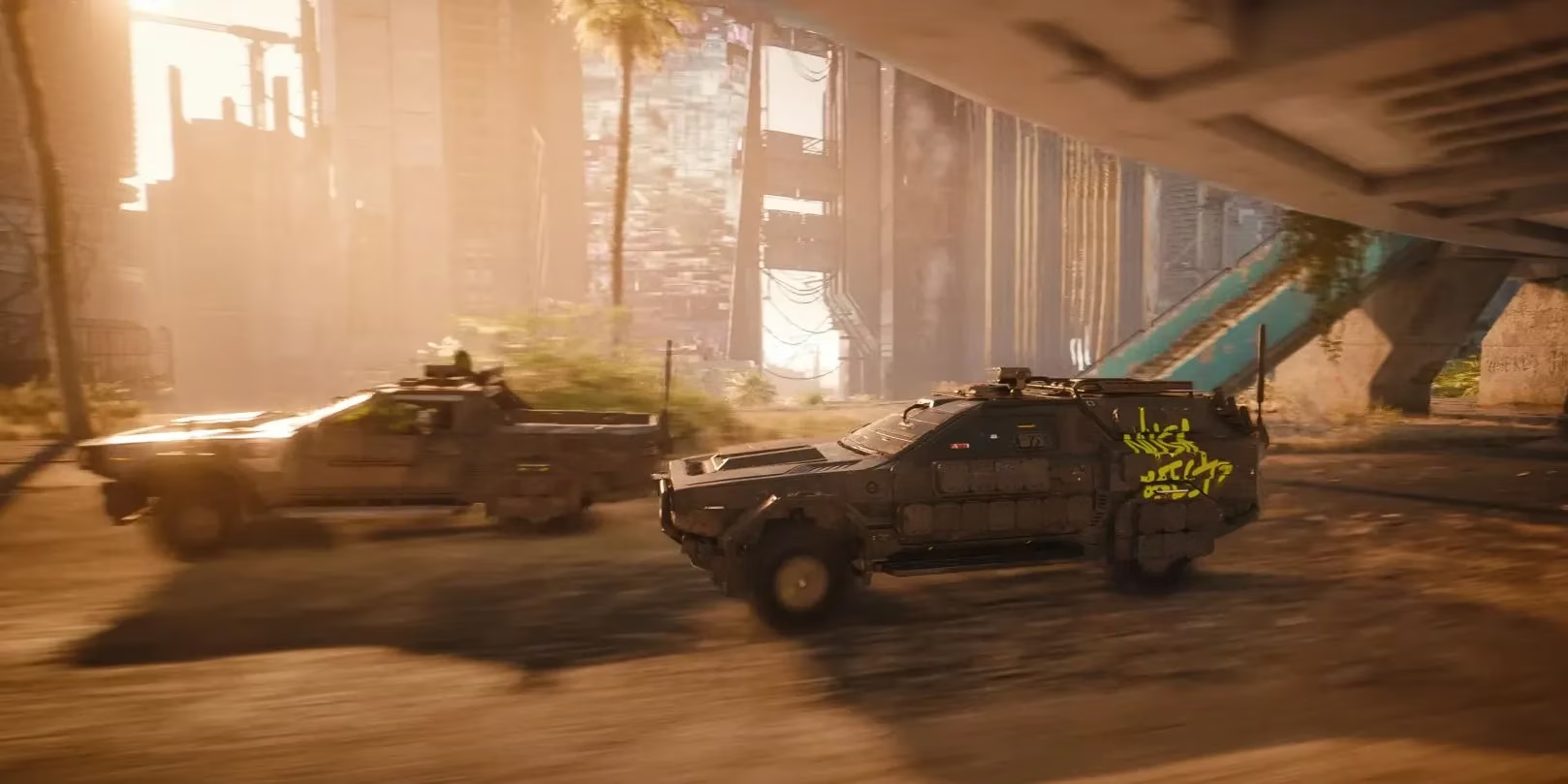
Vehicle combat arrived alongside the police rework. Players could fight while driving around Night City, performing drive-bys in cars or swinging melee weapons from motorbikes. Weapon-mounted vehicles added another layer, including a sports car with miniguns hidden behind the bumper in the spirit of James Bond’s Aston Martin. New weaponized vehicles were likely exclusive to the expansion, but vehicle combat and the police rework were made available to all players.
📈 Progression, Loot, and Enemy Variety
Phantom Liberty also delivered a new progression system that changed the feel of the entire experience. Quest director Paweł Sasko explained that the difficulty curve was different, loot tiers and drops were different, and enemy archetypes were redone for more variety. AI improvements for NPC behavior and quality-of-life changes in the UI and UX rounded out the package. These were framed as free features for Cyberpunk 2077 once the expansion released, and by 2026 they form part of the standard play experience.
| System | Pre-Phantom Liberty | Post-Phantom Liberty / 2026 Baseline |
|---|---|---|
| Skill trees | Percentage-based passive perks | Active abilities, including midair dash and bullet deflection |
| Cyberware | Clothing contributed armor; implants less central | Armor comes from cyberware; body limit and HP trade-offs |
| Police | Limited response and escalation | Aggressive NCPD and MaxTac response, including airship drops |
| Vehicle combat | Not a core combat layer | Drive-bys, motorbike melee, weapon-mounted vehicles |
| Progression and loot | Original difficulty and loot curve | Revised difficulty, loot tiers, enemy archetypes, AI and UI improvements |
🎮 A Final Expansion That Became a Foundation
As the game’s first and only expansion, Phantom Liberty carried enormous weight. Its success would dictate the long-term lifespan of Cyberpunk 2077, and its story could even set up Project Orion in several ways. In 2026, the verdict is clear enough: CD Projekt Red did not hold back. The expansion and its accompanying base-game updates transformed Cyberpunk 2077 from a game defined by its rough edges into one defined by its systems. For players revisiting Night City today, the skill trees, cyberware limits, police chases, vehicle combat, and revised loot curve are no longer previews of a better version. They are the version—and they remain the foundation on which the next Cyberpunk game will be built.