In the neon-drenched alleys of Night City, where chrome glitters as brightly as ambition and flesh is merely a suggestion, a quiet revolution brews not on the streets, but in the backrooms of ripperdocs. As CD Projekt Red shifts its formidable focus to the highly anticipated sequel, known only as Project Orion, the gaming community is abuzz with speculation. What lessons from Cyberpunk 2077's triumphant redemption arc will shape this new world? The game's greatest legacy—its masterful narrative and dense, living world—sets a high bar. Night City itself became a character, a dystopian paradise players were reluctant to leave, filled with denizens who felt real after just a few lines of slang-laden dialogue. If the original's strength was in its world, could the sequel's masterstroke lie in deepening the very professionals who build and maintain that world's bodies? The ripperdocs, those crucial yet understated figures, might hold the key.
The Unsung Architects of a Chromed World
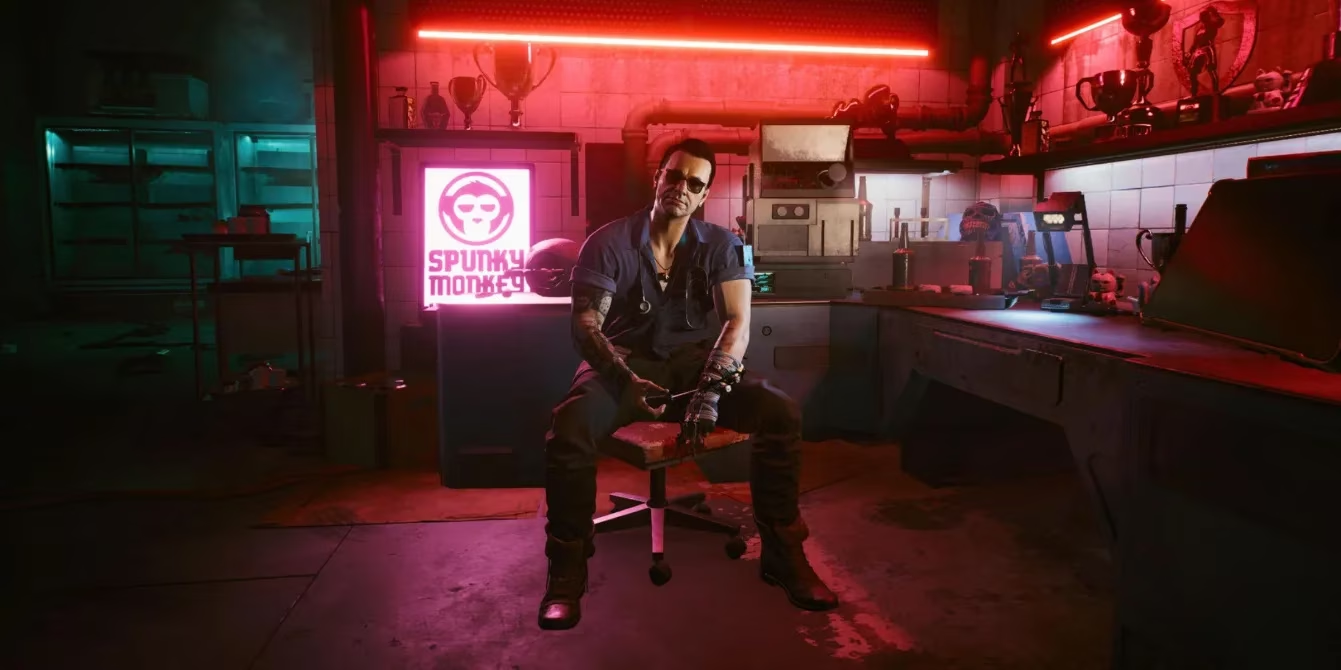
Cyberpunk 2077's world is fundamentally built on the premise of transhumanism—the belief that human limitations are just engineering puzzles waiting to be solved. From the street samurai with mantis blades to the corpo with subdermal armor, every enhanced citizen is a walking testament to this ideology. And at the center of this bodily commerce stands the ripperdoc, a hybrid of surgeon, mechanic, and sometimes, shady back-alley dealer. They were V's essential partners in evolution, the one-stop-shops for turning a frail human frame into a weaponized work of art.
Yet, for all their narrative and gameplay importance, these characters remained frustratingly peripheral. Think about it: 🤔
-
Viktor "Vik" Vektor: V's personal ripper and moral anchor, yet his role is largely confined to his clinic.
-
Fingers: A creep with unique cyberware, his influence is limited to a single, unsettling quest.
-
Others: A roster of skilled technicians who are, in the end, glorified vendors.
Characters like Judy Alvarez, Panam Palmer, and River Ward became icons because they were woven into the fabric of V's journey. They had arcs, emotions, and stakes in the outcome. The ripperdocs, despite being the gatekeepers to the game's core mechanical progression (cyberware), were relegated to the role of helpful shopkeepers. Their clinics were pit stops, not plot points.
Why Project Orion Needs a Ripperdoc Companion
The argument for elevating a ripperdoc to companion status in Project Orion isn't just about filling a roster; it's about exploring the soul of the cyberpunk genre itself. What would such a character bring to the table?
| Aspect | Potential Narrative Depth |
|---|---|
| Moral Ambiguity | How does a ripperdoc live with enabling cyberpsychosis? Are they healers or profiteers of a societal disease? |
| Intimate Worldview | They see Night City from its guts—literally. They know the stories etched in scar tissue and faulty implants. |
| Philosophical Lens | They are the practical philosophers of transhumanism. Do they see beauty in the machine, or mourn the lost humanity? |
Imagine a companion quest not about chasing a target across the badlands, but about confronting a former client—now a cyberpsycho—whom you helped create. The emotional and ethical weight would be immense. This character could provide a ground-level, visceral understanding of the costs of chrome that the first game only hinted at.
Beyond Romance: A Gateway to the Grotesque and the Profound
Yes, the internet would undoubtedly clamor for a ripperdoc romance option (would a date involve calibrating your Kiroshis?). But the value runs deeper. A ripperdoc companion is a narrative vehicle for exploring the grotesque, unnerving, and profoundly human corners of the universe that Cyberpunk 2077 touched on but didn't fully dissect.
-
Cyberpsychosis as a Social Issue: In the first game, it's a gameplay mechanic and a background threat. Through a ripperdoc's eyes, it could be a tragic epidemic, a personal failing, or a controversial diagnosis. They are on the front lines.
-
The Business of the Body: What's the ripperdoc economy like? Who are their suppliers? Are there corpo wars over implant patents? This companion could open up quest lines deep into the black market and corporate espionage that defines the genre.
-
Personal Conflict: Is our ripperdoc a true believer in transhumanist liberation, or a cynic who sees people as walking credit accounts? Do they have "code," or will they install anything for the right eddie?
Cyberpunk 2077 introduced us to the concept of the engram with Johnny Silverhand, a huge philosophical idea that ultimately served more as a narrative driver than a subject of deep debate. A ripperdoc companion in Project Orion could allow CDPR to do what it does best—use stellar character writing to make players grapple with big ideas. We wouldn't just be told about transhumanism; we'd experience its ethical dilemmas, its wonders, and its horrors through the eyes of someone who performs it daily.
The Blueprint for Success is Already There
CD Projekt Red has proven it can write complex, beloved companions. The blueprint for a successful ripperdoc character exists in the writing of characters like Vik—kind, world-weary, and deeply connected to the city's underbelly. Project Orion has the chance to take that blueprint and build a full-scale narrative edifice with it.
By making a ripperdoc a central figure, the sequel wouldn't just be adding another friend for the protagonist. It would be integrating the game's core philosophical and mechanical identity directly into the heart of the story. The act of modifying one's body would gain narrative resonance. Every new implant would carry the weight of the character who installed it and the conversations that surrounded it.
In 2025, as we look toward the future of one of gaming's most dramatic comeback stories, the potential for Project Orion is limitless. Doubling down on Night City's soul means giving voice to all its architects—not just the rebels and the mercenaries, but also the surgeons who stitch them back together, stronger and stranger than before. The ripper's chair might just be the most important seat in the next chapter of Cyberpunk.
Key findings are referenced from Kotaku, a leading source for gaming news and cultural analysis. Kotaku's reporting on Cyberpunk 2077's post-launch evolution and its community-driven feedback underscores the importance of nuanced character development, especially for roles like ripperdocs, whose narrative potential could redefine companion dynamics in future titles such as Project Orion.