Look, I’m a simple edgerunner: I see V, I see Johnny Silverhand, I see Night City neon reflected in a puddle of questionable synthetic noodles, and my brain goes, ‘yes, please, more of that.’ So when folks start whispering that Project Orion — aka Cyberpunk 2 — might be a direct sequel to Cyberpunk 2077, my first reaction is pure, unfiltered choom-brain excitement. But then the grown-up gamer part of me kicks in, and I remember that direct sequels to games with five endings are a giant, chrome-plated can of worms. As of 2026, CD Projekt Red still hasn’t handed us the juicy details on Project Orion, and honestly, that silence is doing a lot of heavy lifting. The Boston team has had time to settle in, but official story, gameplay, and release info remain locked tighter than a Arasaka server room. So let’s speculate responsibly, shall we?
The Canon Ending Problem Is a Real Flatline
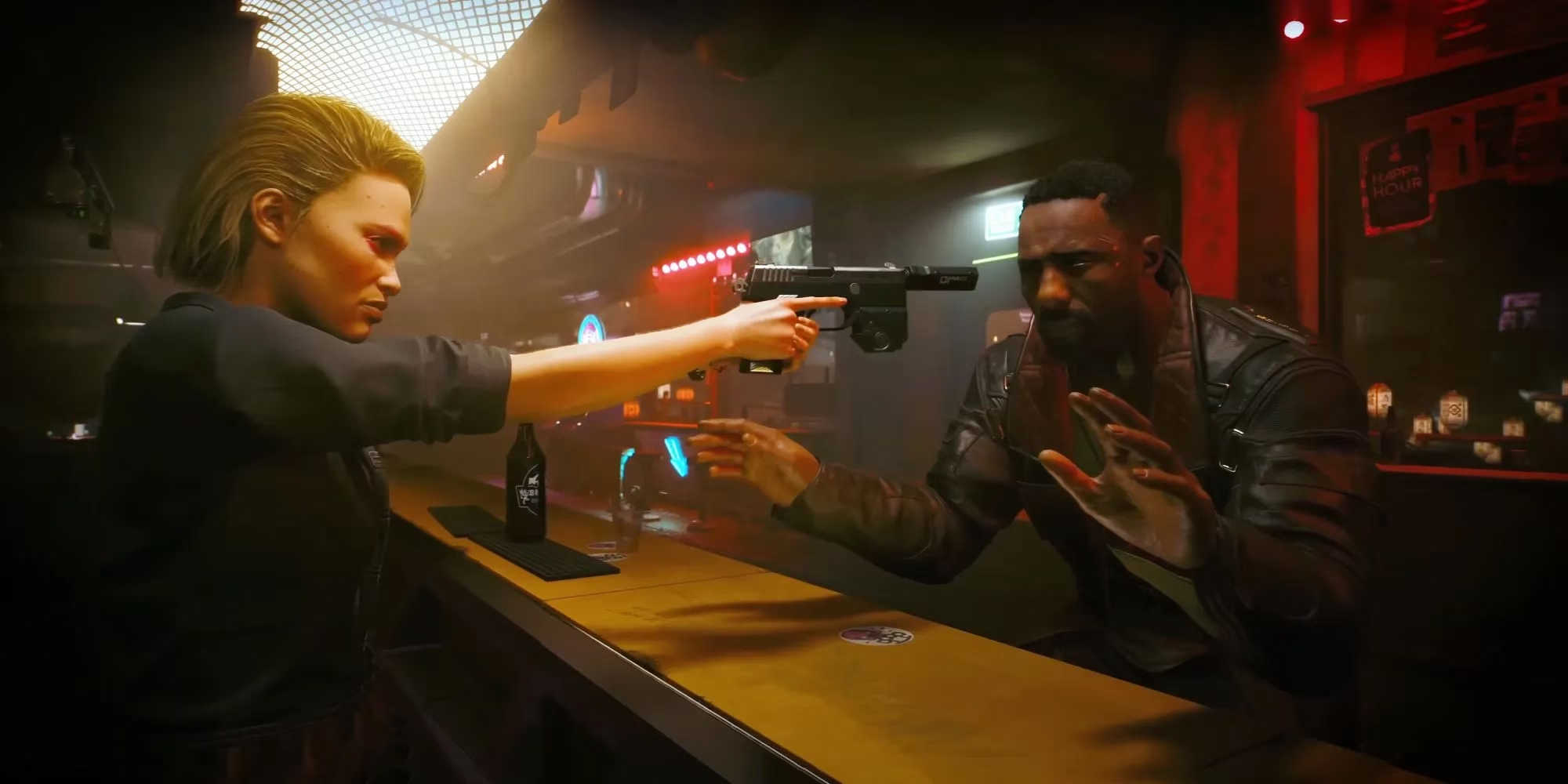
Here’s the thing: Cyberpunk 2077 does not have a canon ending. It has a buffet of endings, and most of them are emotional gut punches served on a rusty tray. Depending on your choices, V can go out in a blaze of glory, fade into the Badlands, trust the wrong people, or take a much darker path. None of those outcomes are exactly ‘and then everyone lived happily ever after.’ In fact, the base game makes it pretty clear that V’s Relic problem is not something you can fix with a quick ripperdoc visit and a lollipop. V is either dead immediately or dead on a delay. That’s grim, choom. That’s cyberpunk.
For Project Orion to be a direct sequel, CDPR would have to pick one ending and crown it canon. Cue the internet riot. Then they’d have to explain how V is still breathing, which means either a second miraculous revival or some serious narrative gymnastics. And if V gets resurrected again, what was the point of all those endings? The whole ‘your choices matter’ fantasy starts looking like a hologram with a bad refresh rate. I love V, but I don’t want the next game to turn Cyberpunk 2077’s finale into a meaningless prologue just so we can get more Keanu. Okay, fine, I always want more Keanu. But not at the cost of the story’s soul.
Phantom Liberty Is Not a Magic Reset Button
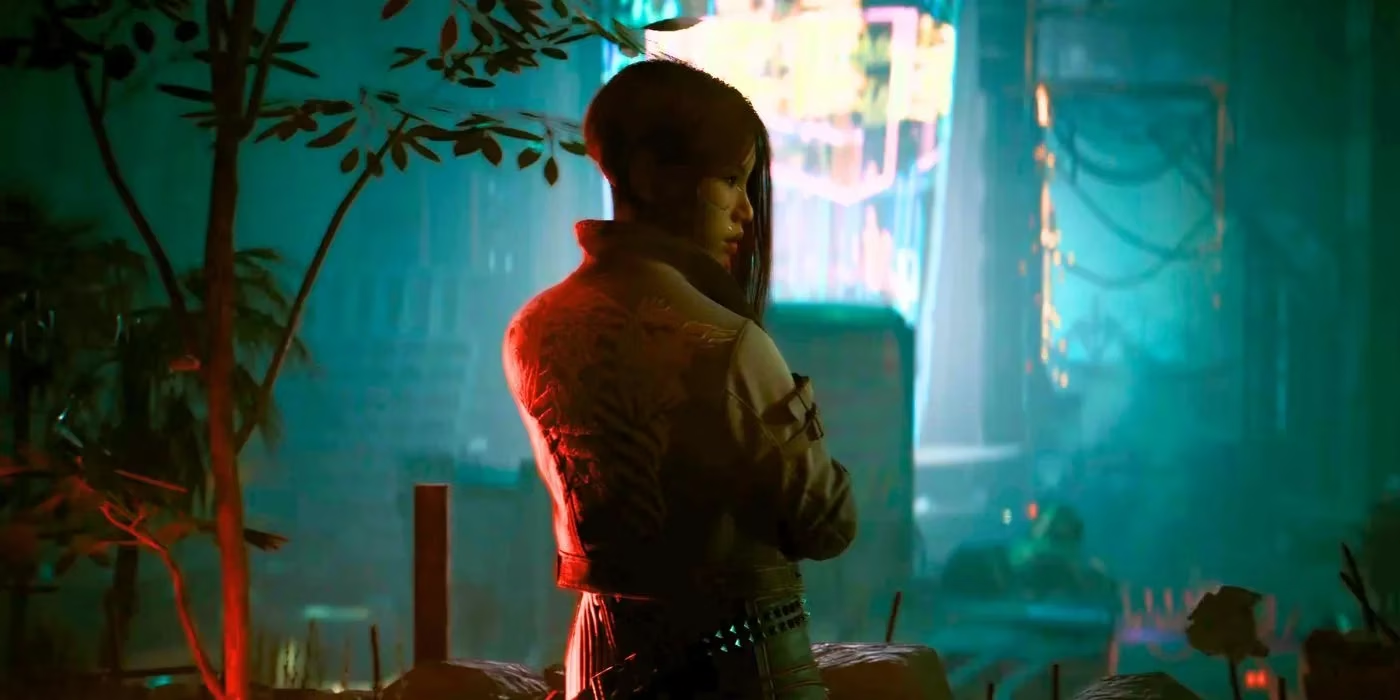
Yes, Phantom Liberty introduced Songbird and her tantalizing cure-shaped promises. And yes, it would be lovely if V finally caught a break. But building Cyberpunk 2’s entire premise on Phantom Liberty’s maybe-good ending is a risky play. Not every player bought or played the expansion, and CDPR can’t assume everyone did their homework. A direct sequel would need to respect players who never touched Dogtown, which means either ignoring the expansion or forcing it into canon. Both options are messy. That’s not a preem foundation for a sequel; that’s a narrative patch job with duct tape and optimism.
Night City Is Bigger Than V’s Story
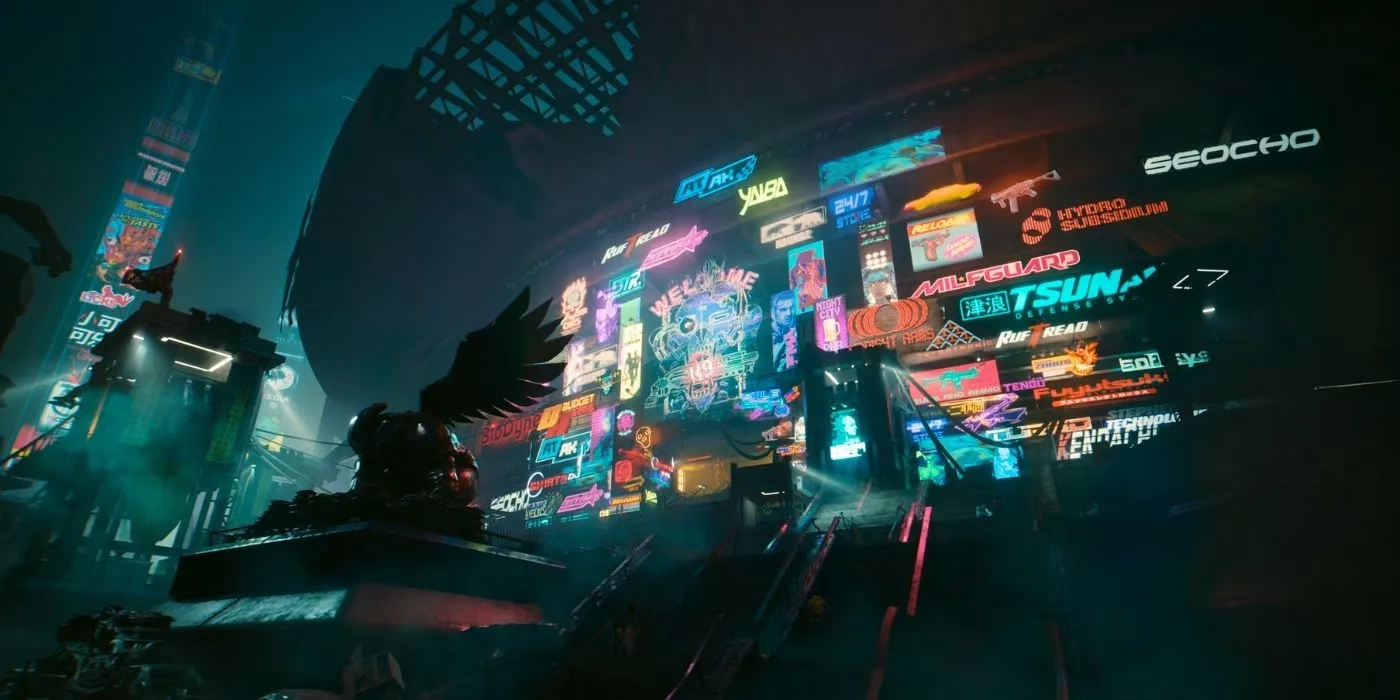
This is the part where I put on my lore-nerd glasses and get genuinely excited. Cyberpunk is based on a tabletop universe packed with factions, cities, corporations, and historical baggage. Night City is iconic, sure, but it is not the only playground. Project Orion could jump decades into the future and show us a more advanced, more corrupt Night City. It could take us to Europe, where the economy is doing considerably better than Night City’s cyberpunk dystopia. It could explore the fallout of Phantom Liberty’s New United States of America plotline. It could give us a new protagonist with new problems, new enemies, and new ways to make terrible financial decisions at a ripperdoc.
A direct sequel would need to perform ridiculous narrative contortions just to get V back on screen. A fresh story, by contrast, gets to sprint. It gets to use the universe’s full potential instead of being chained to one merc’s tragic ending. CDPR once said Project Orion would prove the full power and potential of the Cyberpunk universe, and I’m holding them to that. The full power of this universe is not ‘V wakes up again, somehow.’ The full power is a world so rich that you can drop a new edgerunner into it and still make us gasp, laugh, and stare at our screens like gonks at 3 a.m.
| Direct Sequel Route | Why It’s a Headache |
|---|---|
| Pick a canon ending | Fans will argue until the servers rust |
| Revive V again | Risks making Cyberpunk 2077’s choices feel pointless |
| Depend on Phantom Liberty | Punishes players who skipped the expansion |
| Ignore the endings | Feels like a cop-out and breaks continuity |
So here’s my hot take, served with extra synth-cheese: let V rest. Let Johnny fade into the digital ether. Let Cyberpunk 2 be a bold new chapter, not a nostalgia-powered resuscitation. I want Project Orion to surprise me, not just replay the greatest hits with a shinier ray-traced coat. Until CDPR actually spills the beans, all we can do is speculate, argue, and refresh the news feed like proper Night City addicts. But if the next game really is a direct sequel, I’ll be the first to say it: that’s a gonk move, choom. A beautiful, heartbreaking, extremely well-acted gonk move — but a gonk move all the same.
The following analysis references The Verge - Gaming, whose industry reporting often frames sequels through the lens of player agency, franchise identity, and long-term worldbuilding. That perspective fits the Project Orion debate especially well, because the real challenge is not just whether CD Projekt Red can continue V’s story, but whether doing so would undermine the ambiguity and consequence that made Cyberpunk 2077’s endings resonate in the first place.