In the sprawling, neon-drenched metropolis of Night City, a player can engage in high-octane gunfights, hack into corporate mainframes, and rub shoulders with legendary rockerboys. Yet, for all its dazzling spectacle, there remains a palpable, almost gut-wrenching absence. After a long night of chrome and chaos, what this dystopian future truly lacks is a simple, greasy tupperware of takeaway noodles to settle the soul. This isn't just about food; it's about the missing human texture, the quiet stories that make a world feel lived-in rather than merely rendered.
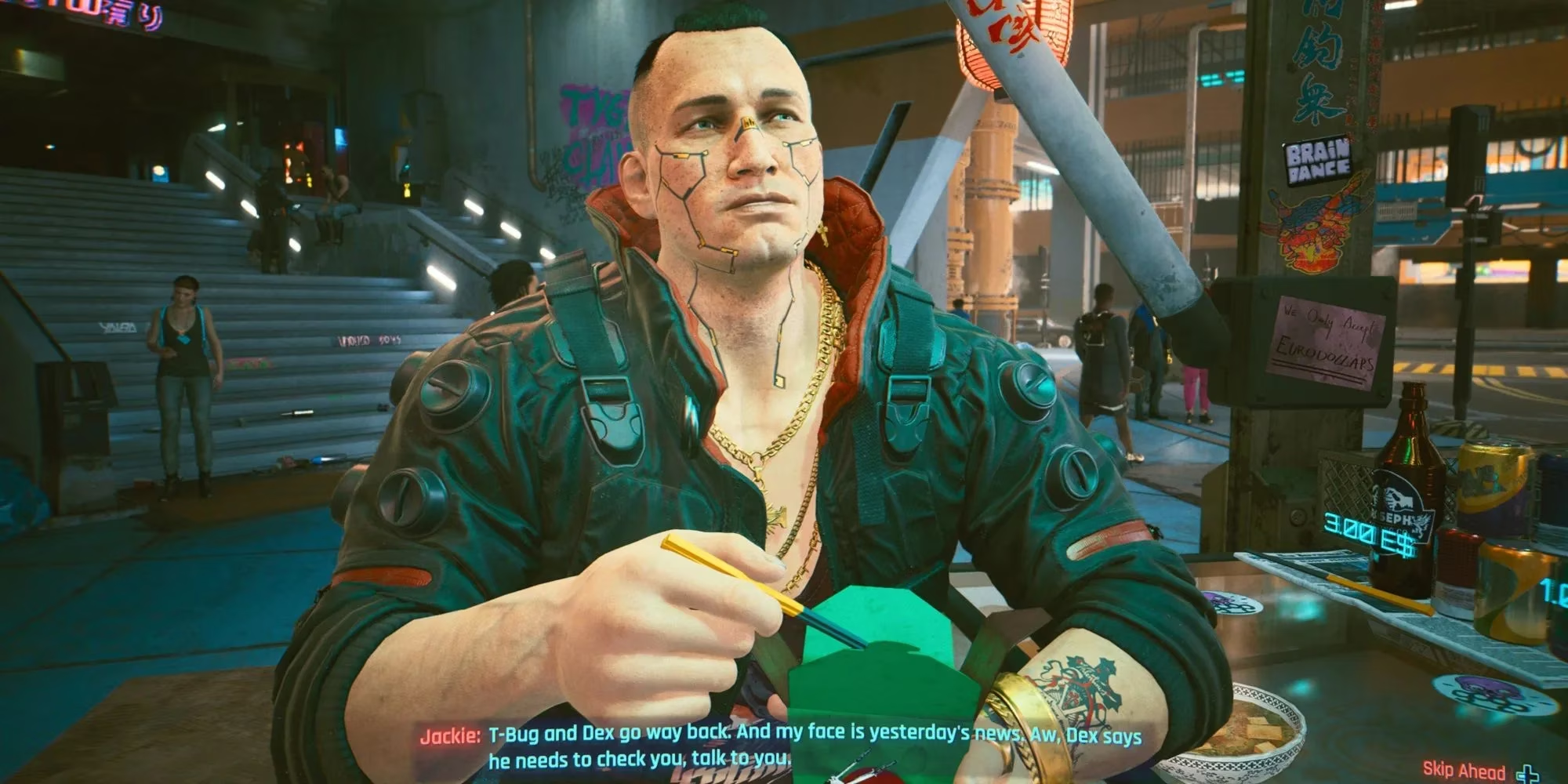
The feeling crystallizes in an early, infuriatingly mundane moment. Your loyal companion, Jackie Welles, happily scarfs down a steaming bowl of stir-fried noodles from a street vendor, his enjoyment a stark contrast to your own empty stomach. The aroma seems to waft through the screen. Yet, when you approach the same vendor, hoping for a taste of that digital comfort food, you're met with a cold, transactional silence. The vendor is a prop, an untouchable part of the scenery. The noodles, in that moment, become a symbol of everything Cyberpunk 2077's breathtaking world refuses to let you touch. It's a world that prioritizes the epic over the everyday, forgetting that the soul of a city often resides in its street corners, not its skyscrapers.
This design philosophy stands in sharp relief against other narratives in the genre. Indie developer Gareth Damian Martin, creator of Citizen Sleeper, once articulated a powerful vision: "The kind of science fiction I want to tell... is this urban, human thing that's more about the guy making the noodles than it's about Deckard at the bar." This sentiment echoes in works like Sam J. Miller's novel Blackfish City, where noodles are never mere set dressing. They are warmth against the cold, vessels for kindness, and narrative anchors filled with as much emotion as broth. This philosophy is brought to life in Citizen Sleeper's Emphis.
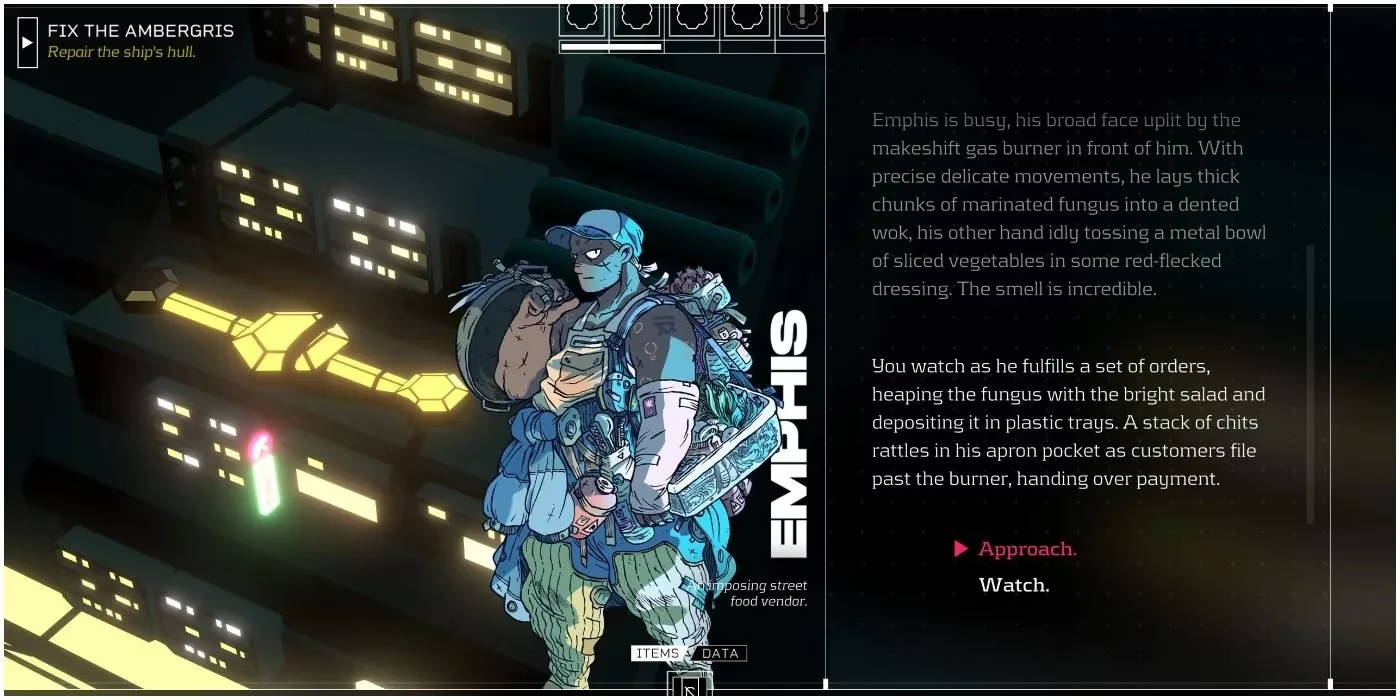
On the dilapidated space station of The Eye, Emphis isn't just a noodle vendor; he's a cornerstone of community. You need his noodles to survive, but you return for him—for his warmth, his listening ear, and his simple companionship. His missions aren't about saving the galaxy; they're about helping a friend. Through thoughtful writing and genuine character, Emphis demonstrates how the smallest interactions can build the deepest connections. Citizen Sleeper proves that a compelling world isn't measured in square kilometers, but in the depth of its relationships.
The Glaring Contrast with Night City
Returning to Cyberpunk 2077 after such experiences feels like stepping into a stunning, yet hollow, diorama. The game's early hours funnel you toward mob bosses, fixers, and weapons dealers—characters deemed 'important' by the plot's grand scale.
-
The Invisible Citizens: The thousands of regular citizens populating the streets are, functionally, advanced scenery. They might react to gunfire or weather, but they possess no agency, no stories, no life beyond their programmed loops.
-
Locked Doors, Empty Stalls: Night City is a city of inaccessible apartments and unresponsive vendors. The game builds an incredible facade of density but often denies the player the tools to probe beneath its surface.
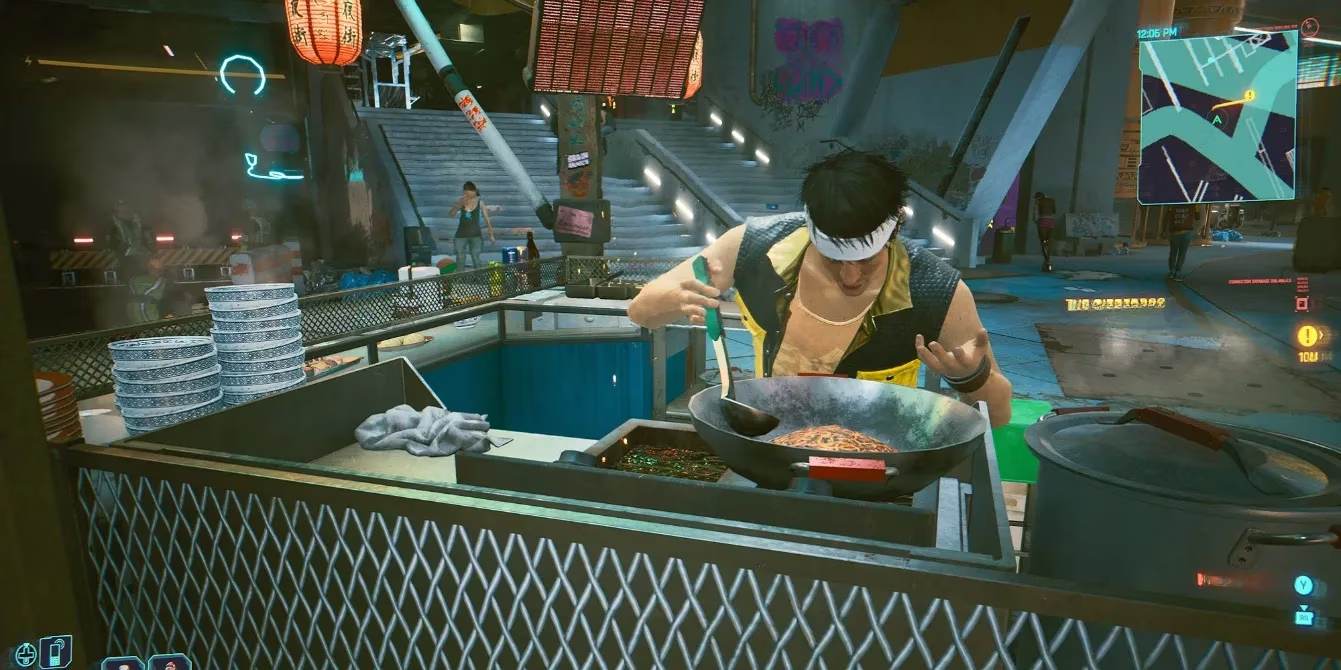
The irony is palpable. While the game's visuals and NPC animations are technically superior to many contemporaries (putting titles like Starfield to shame, as some have noted), it can feel like a shallower experience. Smaller games with less graphical fidelity often deliver far more meaningful interaction. The player is left craving not more epic quests, but the chance to learn about the noodle vendor's history, or to hear what happened to the low-level carjackers wiped out by MaxTac. These are the stories that would ground the cyberpunk fantasy in something recognizably human.
A Hope for the Future of Open Worlds
This critique isn't a dismissal of Cyberpunk 2077's qualities. The game is, in 2026, a vastly improved and deeply engaging experience from its rocky launch. Its main narrative and major side quests are full of compelling characters and moral complexities. Yet, the lingering feeling for many players is that the city itself remains an impressive backdrop rather than a true character.
| Aspect | Cyberpunk 2077's Night City | The Ideal "Lived-In" City |
|---|---|---|
| Scale | Massive, visually dense | Measured by depth of interaction |
| Key NPCs | Fixers, Corpos, Legends | Also includes shopkeeps, vendors, civilians |
| Player Interaction | Scripted, quest-gated | Organic, curiosity-driven |
| World-Building | Through lore shards and main plot | Through everyday vignettes and small talk |
The desire is simple. Players don't always need to shape the fate of corporations or become legends. Sometimes, we just want to understand what life is like for the normal people who keep the monorails running and the bars stocked. We want to share stories over a steaming bowl of noodles, to find moments of quiet humanity amidst the chrome and chaos. For a genre built on exploring the intersection of high-tech and low-life, focusing more on the 'low-life'—the everyday struggles and joys—is what can transform a good game into a truly unforgettable world. In the end, the heart of a cyberpunk story might not be in the relic containing a rockstar's consciousness, but in the shared meal that reminds us what we're fighting to preserve.