Walking through the neon-drenched streets of Night City in 2026, I still get chills thinking about the story behind one of its most iconic gangs. Forget the corpo rats in their glass towers or the chromed-out maniacs of Maelstrom—the tale of The Mox hits different. It’s a story that started with a single act of defiance and grew into something... complicated. Let me tell you, it’s a wild ride from tragedy to becoming a fixture of the city’s underworld, and honestly, it shows you how Night City can chew up ideals and spit out something new.
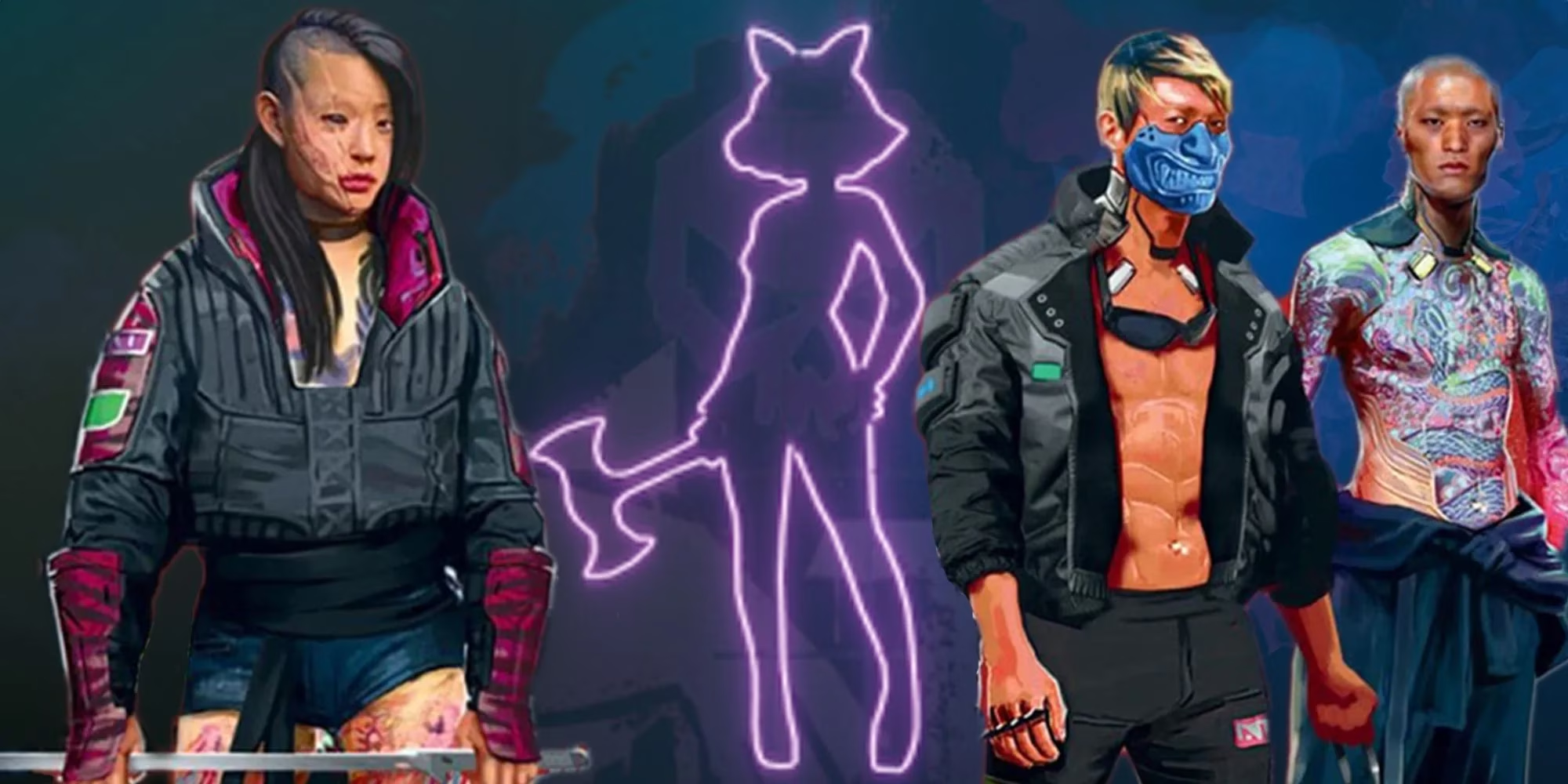
The Spark That Lit the Fire: Lizzie Borden's Stand
The whole thing, I mean everything about The Mox, traces back to one woman: Elizabeth "Lizzie" Borden. She wasn't some corpo warlord or a netrunner legend. Lizzie ran a strip club in Kabuki, Watson, and she had a rep for being fair—a rare commodity in this city. She treated her Joytoys right, you know? Actually defended them from violent clients, even if it meant losing eddies. In a place where people are disposable, she made them feel human. Talk about a diamond in the rough.
But Night City has a way of crushing good things. The real turning point was brutal. When one of Lizzie's workers was raped and murdered by members of the Tyger Claws right in her own club, Lizzie didn't go to the NCPD (useless anyway). She grabbed an axe and took matters into her own hands. She killed three of the attackers and then... she displayed their bodies outside her club. Her message was clear: hurt a sex worker, and this is what happens. It was raw, it was visceral, and for a moment, it felt like justice.
The Birth of a Gang From the Ashes
Of course, the Tyger Claws couldn't let that slide. They came back that same night, burned her business to the ground, and killed Lizzie. Man, what a gut punch. But her death wasn't the end—it was the beginning. The city erupted. Massive riots spread through the districts, with protesters specifically targeting the Tyger Claws. Out of that chaos and collective anger, The Mox was born. It wasn't founded by mercs or criminals looking for territory; it was formed by the people who felt the most threatened—sex workers, sexual minorities, the folks on the bottom rung who had no one else to look out for. They banded together for protection, using Lizzie's defiant spirit as their blueprint.
Honoring a Legacy: More Than Just a Name
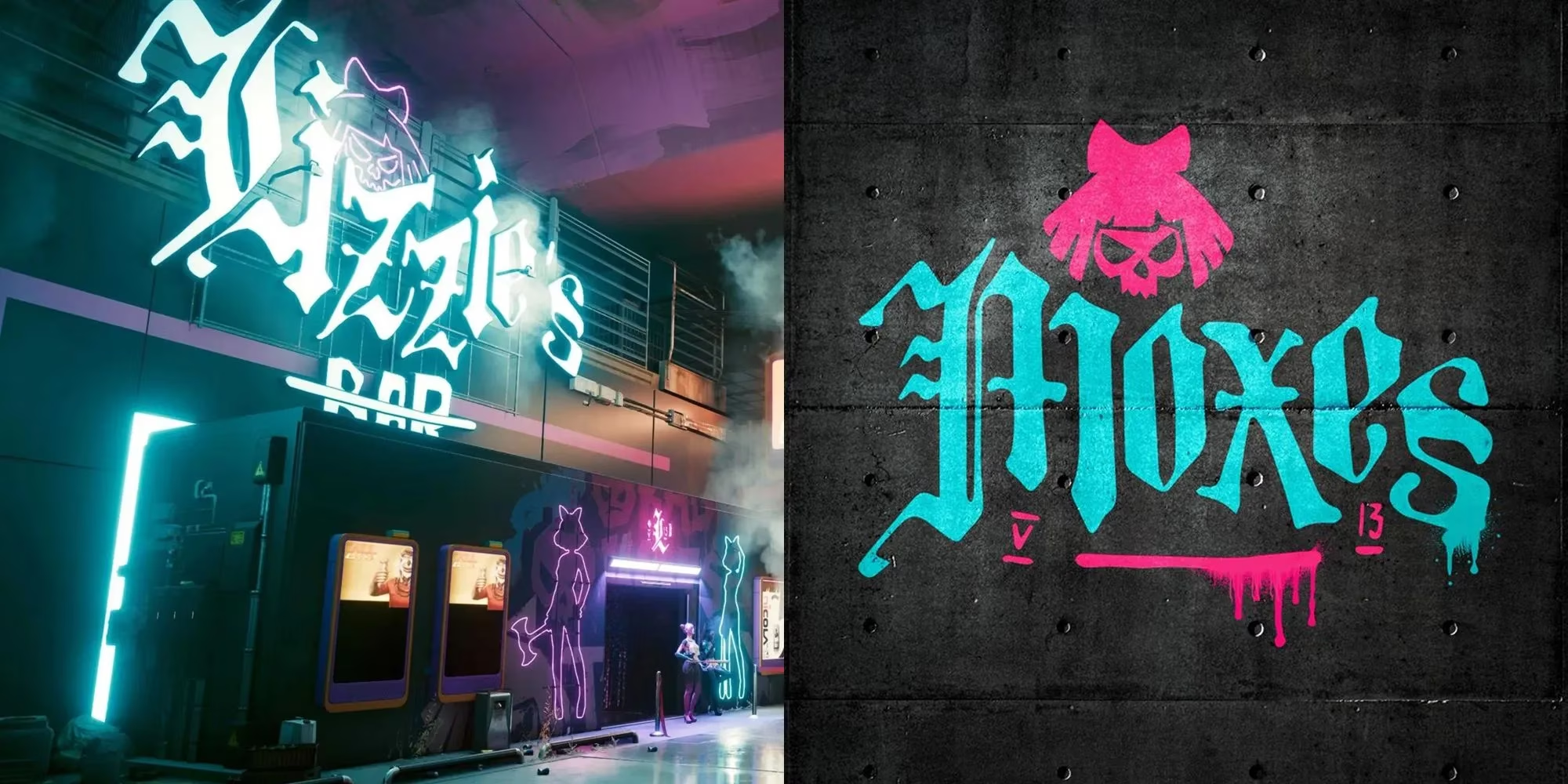
In the aftermath, the newly formed gang had to build something lasting. They rebuilt Lizzie's club, right on the ashes, and named it Lizzie’s Bar. It became their headquarters, a living memorial. The gang's name itself, "Mox," comes from the old slang "moxie"—guts, nerve, determination. Fitting, right?
They even coded their history into their symbols. If you look close at a Mox member's tattoo, you'll see the Roman numeral for five (V) and the number 13. That's May 13, the date of Lizzie's death and the official birth of the gang. You see "V.13" on their merch, too, from their in-house clothing brand, BITCH. It's a constant reminder of where they came from.
The Mox Today: Ideals vs. The Need to Survive
Fast forward to now, over a decade later. The Mox has... changed. On the surface, they still operate out of Lizzie's Bar, and many members are sex workers. But don't let the "plastic doll" aesthetics fool you—that's often a cover for RealSkinn cyberware hiding combat implants. Their fashion is a punk-prostitute hybrid, but it's designed for mobility. They're always ready to throw down, even if they don't start the fight. It’s a practical evolution.
The bigger shift is internal. The gang doesn't have a strict hierarchy, but it has a leader: Susanna Quinn, aka Susie Q. And Susie Q runs The Mox like a business. Here’s the kicker: The Mox now charges for their protection services. This has caused some serious friction within the ranks. The old guard argues it betrays Lizzie's principle of free protection for the vulnerable. Susie Q's stance is pure Night City pragmatism: you need eddies to survive and keep the doors open. She won't turn away someone truly in need, but the gang has to be sustainable.
This profit-driven shift was crystal clear during the whole Clouds affair a few years back. When Judy Alvarez and V were trying to free the dolls there after the tragedy with Evelyn Parker, The Mox refused to get involved. It wasn't their fight—or more accurately, it wasn't a paying client. It showed how the gang's original ideology, born from pure tragedy, has been tempered by the harsh economics of the city. Some call it selling out; others call it growing up. In Night City, the line between the two is razor-thin.
A Lasting Symbol in a City That Forgets
So, where does that leave The Mox in 2026? They're not the largest gang, and they don't control massive territories. But they have something most gangs lack: a soul and a story that resonates. They are a testament to the fact that in Night City, even the most noble beginnings get complicated. The tragedy of Lizzie Borden created a symbol, but keeping that symbol alive required compromises that would have made the founder balk.

They walk a tightrope between their founding principles and the need to exist in a city that consumes idealism for breakfast. Are they still the protectors of the oppressed? To some, absolutely. To others, they've become just another service provider in a dystopian marketplace. But every time you see that V.13 tattoo or step into the glow of Lizzie's Bar, you're reminded of the axe-wielding woman who started it all. In a city that constantly tries to erase history, The Mox, for all their flaws, forces Night City to remember. And that, in itself, is a kind of power.